
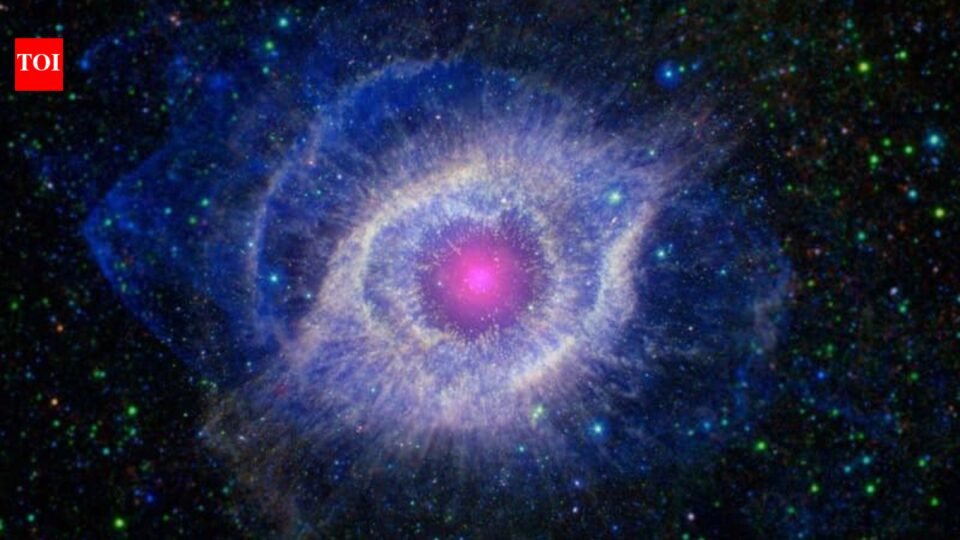
As children, many of us remember lying on terraces or open fields, trying to count stars. One, two, three and then losing track. Your parents would say, “You can’t count them all.”Yet we tried, trying to trace imaginary shapes between them. The night sky felt endless and the stars felt eternal. They seemed like tiny, silver dots watching over the world while everyone else slept.Back then, we had no idea that each star was actually burning like a giant fireball. Moreover, inside those distant specks, atoms were colliding at millions of degrees and some of the stars we were counting had already died and their light was simply still travelling toward Earth.The romance of stargazing hides a violent truth. A star’s life is not calm. It begins in cold darkness, survives by balancing enormous forces and ends in either a quiet collapse or a cosmic explosion powerful enough to outshine entire galaxies. Space agencies like Nasa explain that stars are not eternal lights. Just like humans, they are born, they live long and turbulent lives and eventually, they die. And when they die, they do not simply fade away. They transform the universe.This is the story of what really happens when a star dies and why its death matters to all of us.
Not just twinkling lights: What stars really are?
For centuries, humans looked at stars and built stories around them. Sailors used them to navigate. Ancient civilizations turned them into constellations and myths. To the naked eye, they appear as small, flickering lights pinned onto a dark sky.But a star is not a tiny dot. It is not fragile. And it is definitely not small.In reality, a star is a massive, glowing sphere of hot gas. It shines because something extraordinary is happening deep inside its core, a process called nuclear fusion. According to scientists, stars produce energy by fusing hydrogen atoms together to form helium. This process releases an enormous amount of energy in the form of light and heat.That light is what travels across space and reaches our eyes.Inside a star, gravity is constantly pulling all the gas inward, trying to crush it. At the same time, the energy released by fusion pushes outward. A star survives because these two forces balance each other. Gravity pulls in. Pressure pushes out. As long as this balance holds, the star continues to shine steadily for millions or even billions of years.
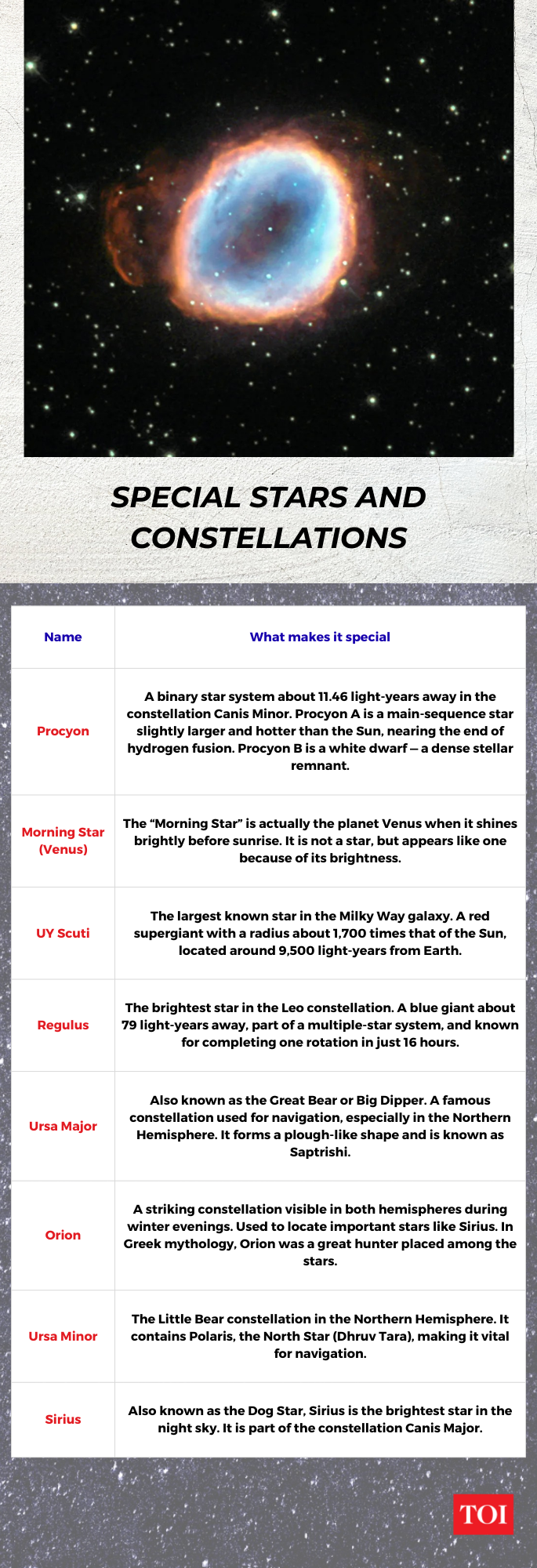
This balance is what makes a star stable. But it is also what makes its life temporary.Not everything that shines in space is a star. To be called a true star, an object must be massive enough to sustain hydrogen fusion in its core. If it is too small, fusion never properly begins. Such objects are known as brown dwarfs, almost-stars that never fully ignite.On the other end, there are stars so massive that they burn brighter and hotter than our Sun. The size and mass of a star determine almost everything about its life: how bright it shines, how long it lives and most importantly, how it will die.Most stars, including our Sun, spend the majority of their lives in what scientists call the “main sequence” stage. This is the long middle chapter where hydrogen fusion keeps the star stable and glowing.It may look calm from Earth. But inside, it is a constant battle: energy against gravity, pressure against collapse.And that quiet balance is only the beginning of a much larger story.
More than one kind of light: Types , traits and why stars matter
When we look up at the night sky, it may seem as if all stars are the same: small and steady points of light. But in reality, no two stars are exactly alike. They differ in size, colour, temperature and even lifespan. Each one carries its own story.Types of stars are usually grouped by their colour and temperature. Blue stars are the hottest and burn very brightly, but they do not live very long. Yellow stars, like our own Sun, are medium-sized and steady. Red stars are cooler and often much older. Some are tiny and faint, while others grow into massive giants before slowly fading away.
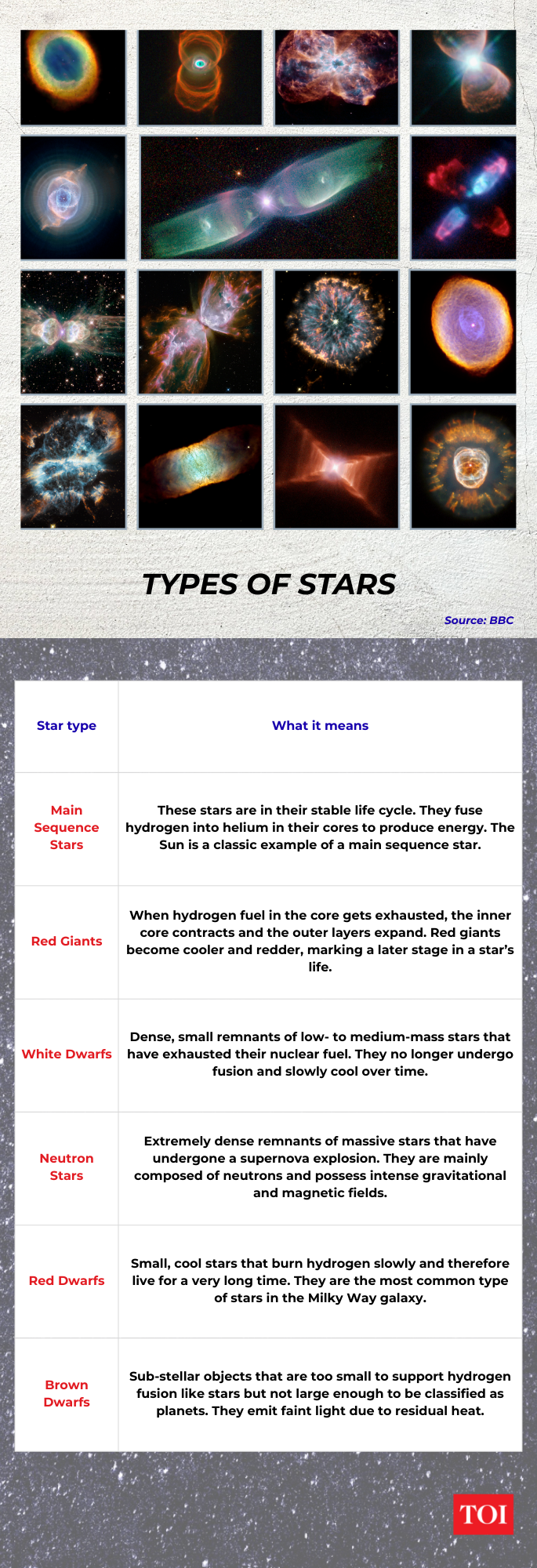
Stars also go through stages. They are born in clouds of gas and dust. Over millions of years, gravity pulls the material together until the core becomes hot enough to shine. They spend most of their lives producing energy. Eventually, when that energy runs out, they change form: some shrink quietly, while others end in explosions.Their characteristics tell us a lot about them. A star’s colour shows how hot it is. Its brightness can tell us how far away it might be. Its size determines how long it will live. Bigger stars burn through their fuel quickly, while smaller ones last much longer. In simple terms, the brighter and hotter a star is, the shorter its life tends to be.But stars are not just distant lights. Their importance goes far beyond beauty. Stars create the very elements that make up our world: the carbon in our bodies, the oxygen we breathe, the iron in our blood. Without stars, there would be no planets, no sunlight, no life.They guide travellers, shape calendars, inspire scientists and poets alike. For centuries, humans have looked at them for direction and meaning.So when we return to those “silver dots” we once tried to count, we begin to see them differently. They are not just decorations in the sky. They are engines of creation, timekeepers of the universe and quiet reminders that even the smallest light can hold immense power.
How a star is born — From cosmic dust to shining light
Long before a star shines in the night sky, it begins as a quiet cloud drifting in space. These clouds, made of gas and dust, are called nebulae. Imagine a playground of tiny particles, floating together, waiting for a spark. As gravity pulls these particles closer, they start to swirl and spin, forming a dense core. This is the first heartbeat of a star – a tiny furnace waiting to ignite.When the core gets hot and dense enough, hydrogen atoms begin to fuse into helium. This fusion releases enormous energy, and the star starts to shine. The newborn star enters the main sequence phase, where it will spend most of its life, steady and bright, like the Sun above us.
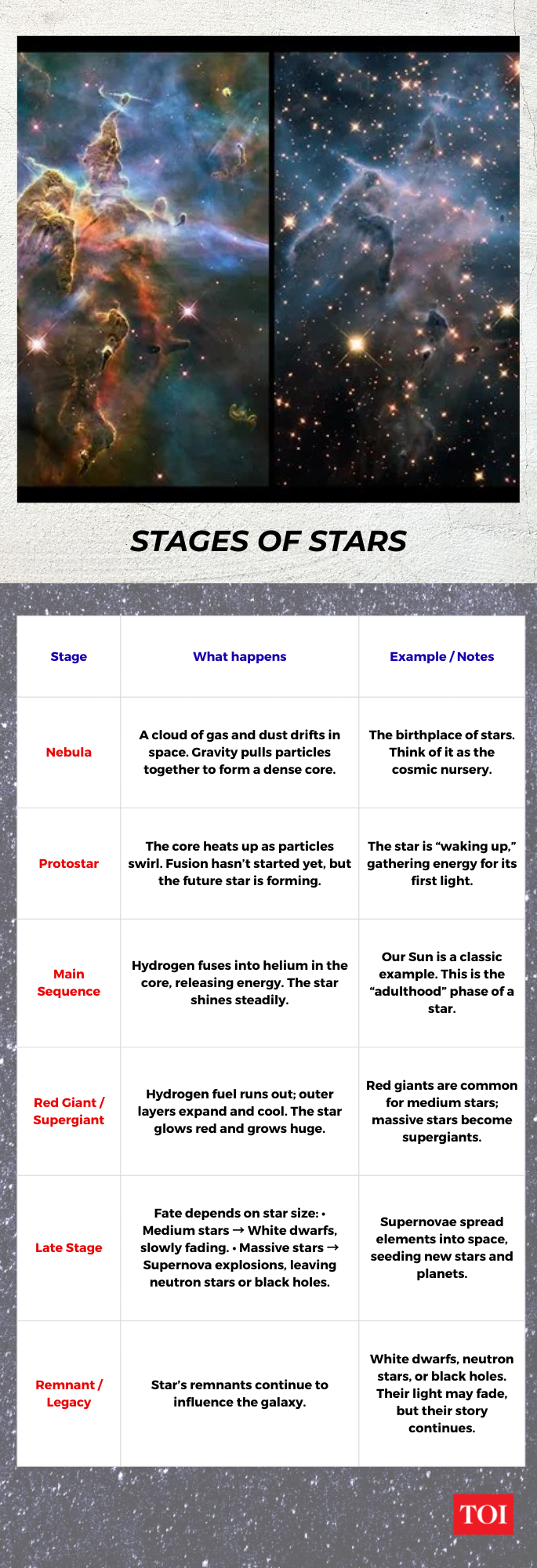
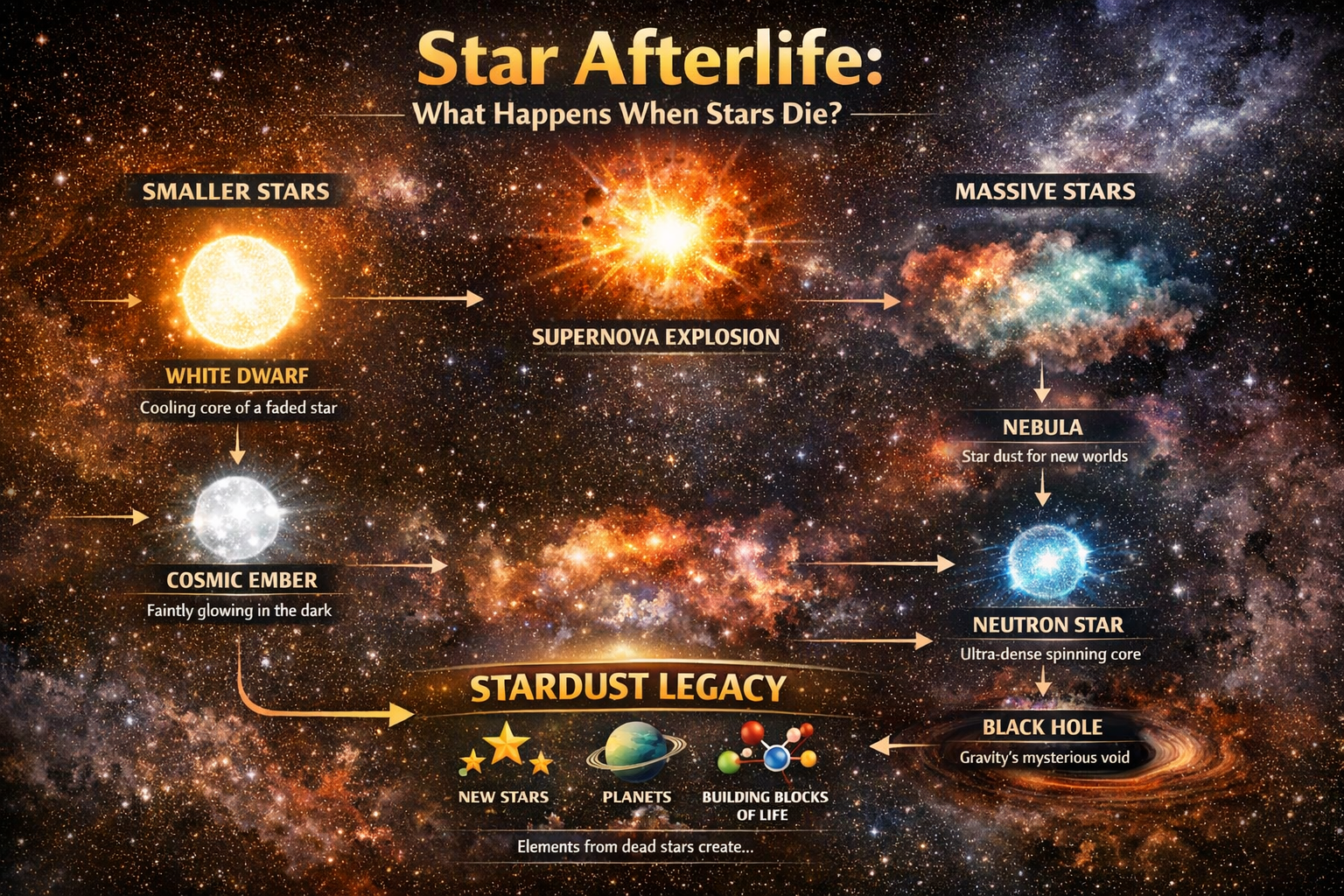
As time flows, stars go through changes, much like the seasons of life. Red giants emerge when stars exhaust their hydrogen fuel. Their outer layers expand and cool, glowing red like embers fading in a fireplace. Some stars, after burning through their fuel, shrink into white dwarfs, slowly fading away, small but dense reminders of their former brilliance.Massive stars have a different journey. They end in spectacular explosions called supernovae, scattering elements across the universe — the very seeds that form new stars, planets, and perhaps life itself. Some leave behind neutron stars, tiny yet unbelievably dense, spinning and shining with powerful magnetic fields.Every star, from the tiniest red dwarf to the largest supergiant, tells a story of birth, life, and eventual transformation — a cosmic rhythm that repeats across the galaxy, unseen yet shaping everything we know.
How stars say goodbye
Stars, like all living things in the universe, have an end. But their farewell is written in light and fire, not silence.For smaller stars, the heart slowly cools. They run out of hydrogen, their glowing energy fades, and they quietly shrink into tiny, dense spheres called white dwarfs. It’s a gentle, slow dimming—a cosmic sigh that can last billions of years.Massive stars have a different ending. When their fuel vanishes, gravity pulls inward with relentless force. Their cores collapse, and the outer layers explode in a brilliant burst of light—a supernova. In that final blaze, the star burns its last, brightest, and most spectacular farewell.Whether a quiet fade or a fiery explosion, the death of a star is simply the closing of a chapter, leaving behind traces of the life it once lit.
How stars live on after death
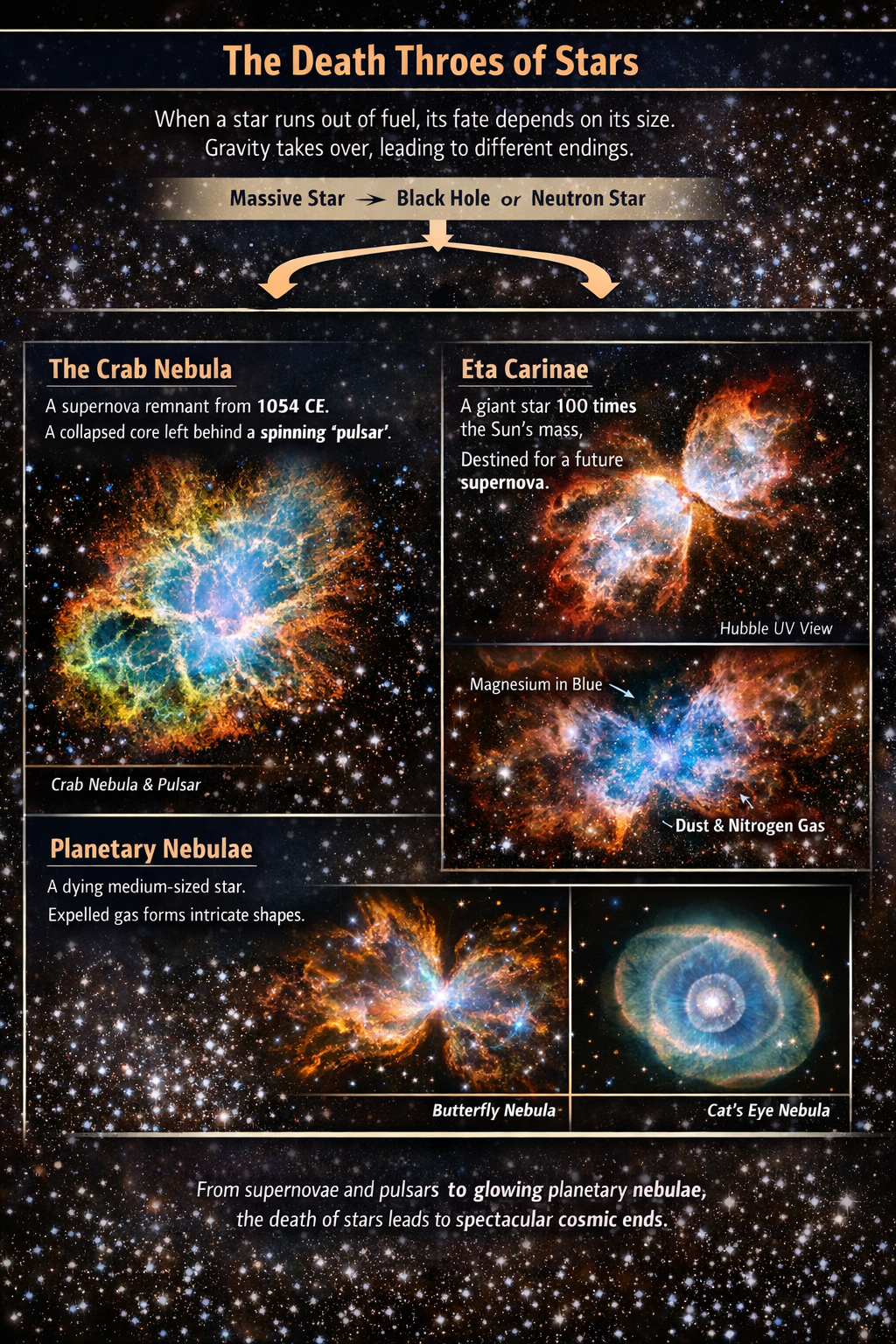
Stars are not just distant lights; they are storytellers of the universe. When they die, they leave behind secrets of creation, transformation and continuity. Their death is as fascinating as their birth, shaping the cosmos and everything within it.When medium-sized stars shed their outer layers, the escaping gas and dust don’t simply drift aimlessly. Instead, they take on intricate, often breathtaking shapes.
.
For decades, astronomers were puzzled over this: how could a seemingly round red giant star produce such complex forms?The secret is in hidden companion stars: smaller stars quietly circling the dying star. These companions pull on the gas and dust, shaping it just like a potter shapes clay on a wheel. Sometimes, the companion’s magnetic field pushes the gas toward the poles, creating the beautiful two-sided shapes we see in many planetary nebulae. Even without a magnetic field, the swirling disk of gas around the companion slows the material in the middle, making it flow into elegant, curved patterns in space.Thanks to telescopes like Hubble and arrays such as ALMA, astronomers have now observed spiral and arc-shaped structures around red giants, confirming that companion stars play a major role in the shaping of these glowing remnants. Planetary nebulae such as the Cat’s Eye, Butterfly, and Southern Crab are now understood not just as beautiful cosmic displays, but as the result of complex gravitational dances, reminders that death in the universe is rarely simple or uniform.
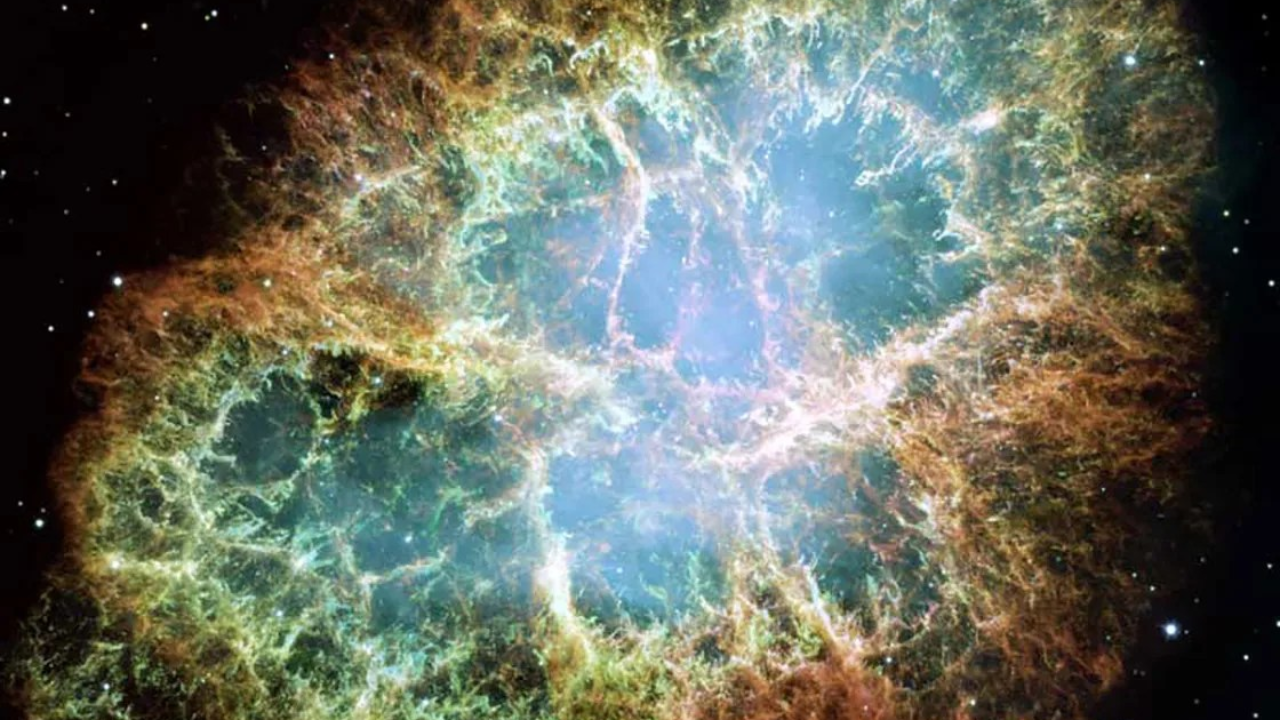
The material ejected by dying stars is not lost; it becomes cosmic stardust. Carbon, oxygen, and other heavy elements created over a star’s lifetime through nuclear fusion spread into the surrounding space. This stardust seeds the birth of new stars, planets and eventually life itself.Every planetary nebula is a jewel-like memorial, a glowing reminder of the star that once shone. Even white dwarfs, the dense cores left behind, illuminate the nebula for centuries to millennia before slowly cooling. In this way, the end of one star becomes the beginning for countless others.
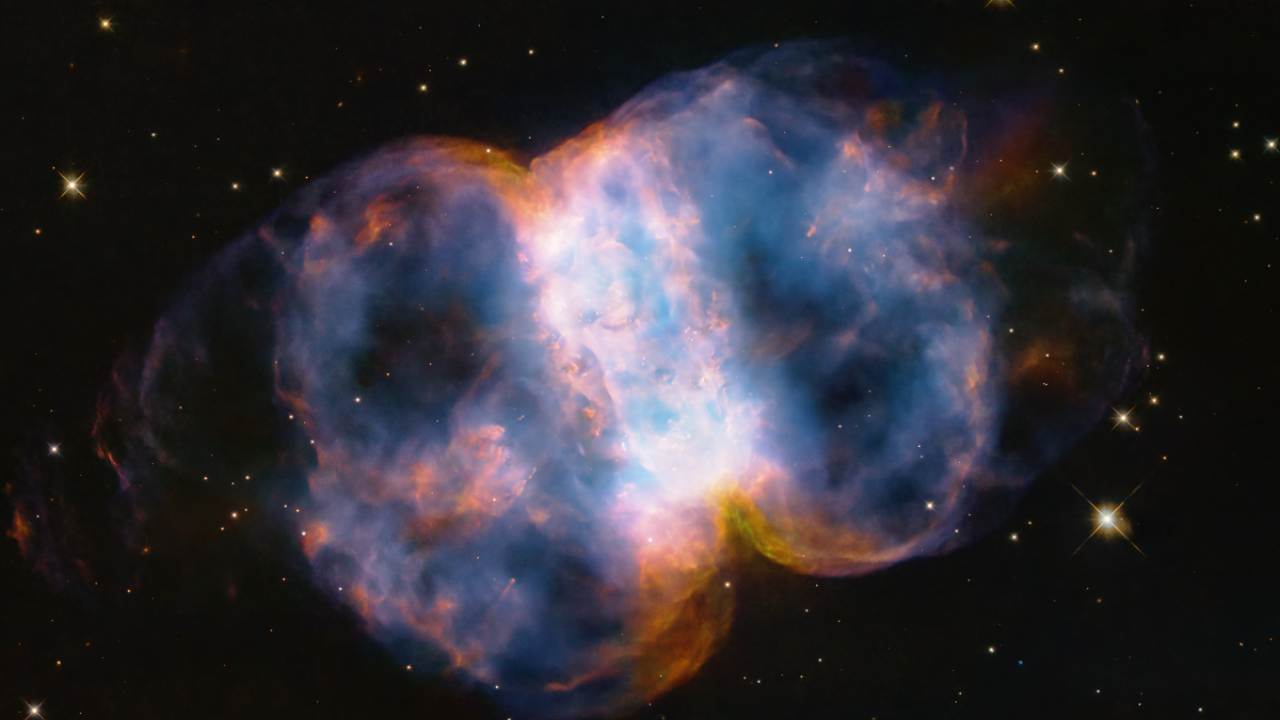
Astronomers continue to study stars like V Hydrae, which ejects plasma clumps and rings of gas in its final centuries. Observations reveal how companion stars influence the speed, direction, and structure of these ejections, providing a window into the centuries-long transformation from red giant to planetary nebula. Computer models help “watch” this process unfold, simulating events that take hundreds or thousands of years—an astronomical drama impossible to see in a human lifetime, but one we can begin to understand through science.
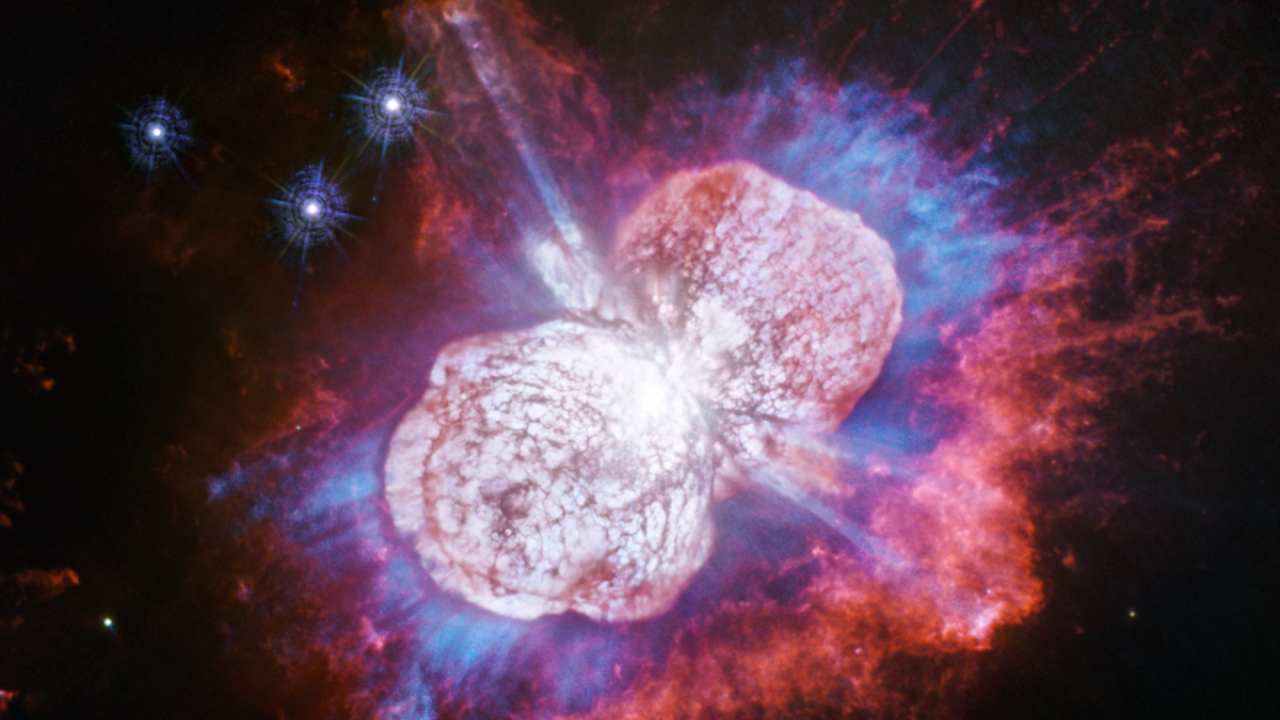
Even the Sun, though largely alone, may leave behind subtle spirals in its own eventual planetary nebula, influenced by massive planets like Jupiter. The universe is full of stories of endings that are neither sudden nor final—they are complex and interconnected.
Life lessons from dying stars
Stars teach us that endings are not absolute—they transform, influence and seed new beginnings. The matter that once formed a blazing sun can later become part of planets, oceans, or even life itself.
.
As Carl Sagan famously said, “We are made of star stuff.” Every atom in our bodies was forged in the heart of a star, spread across the cosmos and recycled into new forms.The death of a star reminds us of life’s continuity: endings often become beginnings, fading light leads to new illumination and the stories of the past shape the world of the future. So, next time when you gaze at the night sky, look beyond the twinkling points of light. See the stories they carry, the transformations they’ve undergone and the endless echoes of existence they leave behind.
