
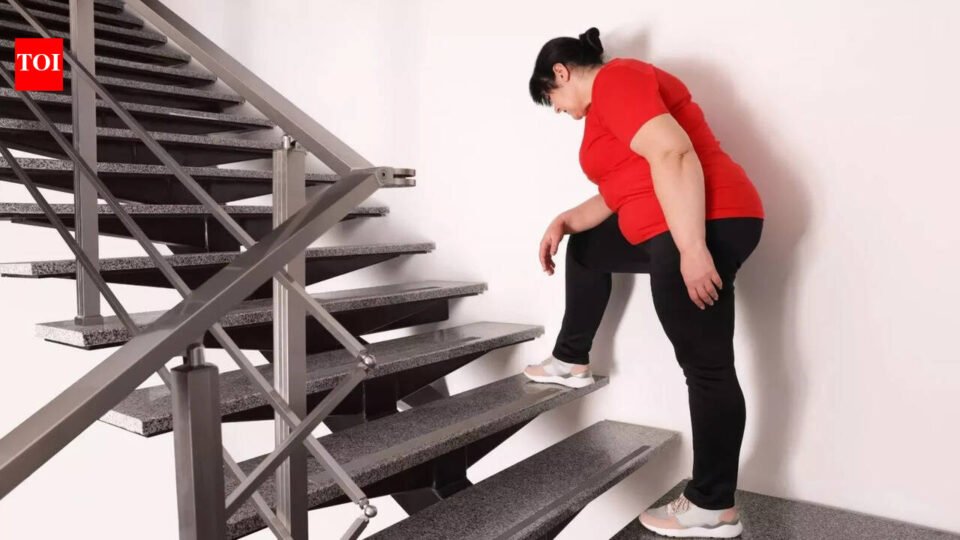
Climbing a few flights of stairs seems like an ordinary part of daily life. Yet cardiologists say that this simple activity can quietly reveal how well the heart is functioning.When someone climbs stairs, the body demands more oxygen. The heart responds by beating faster and pumping more blood to the muscles. This response is normal. What matters more, however, is how quickly breathing and heart rate return to normal once the person stops.Doctors often call this recovery speed or heart rate recovery. A slow recovery may signal that the heart and blood vessels are under stress. In some cases, it can appear years before serious cardiovascular disease becomes obvious.
Poll
What lifestyle change do you feel would most improve your heart health?
Why climbing stairs is a natural stress test for the heart
Stair climbing pushes the body harder than walking on flat ground. It engages large muscle groups and quickly raises oxygen demand.This means the heart must work harder to circulate blood and maintain energy supply. The temporary rise in heart rate and breathing is normal. But doctors look closely at what happens next.If the cardiovascular system is healthy, the heart rate begins to slow within a minute or two. Oxygen levels stabilise and breathing becomes comfortable again.Common offenders of kidney health are not exotic foods but everyday foods consumed in excess: Nephrologist on foods and habits that harm kidneysBut when arteries are stiff, circulation is poor, or the heart muscle is weak, recovery can take longer.Dr Ashish Agarwal, Director & Unit Head (Unit-1) Cardiology at Aakash Healthcare, explains, “Many people underestimate what simple activities like climbing stairs can reveal about heart health. When a person climbs a few flights of stairs, the heart rate naturally rises because the body needs more oxygen. However, what truly matters is how quickly the body recovers afterward. If breathing, heart rate, or fatigue take unusually long to return to normal, it may indicate that the heart and blood vessels are not functioning efficiently.”

Slow recovery, prolonged breathlessness, or fatigue may indicate reduced cardiovascular fitness or early heart disease.
What slow recovery actually means inside the body
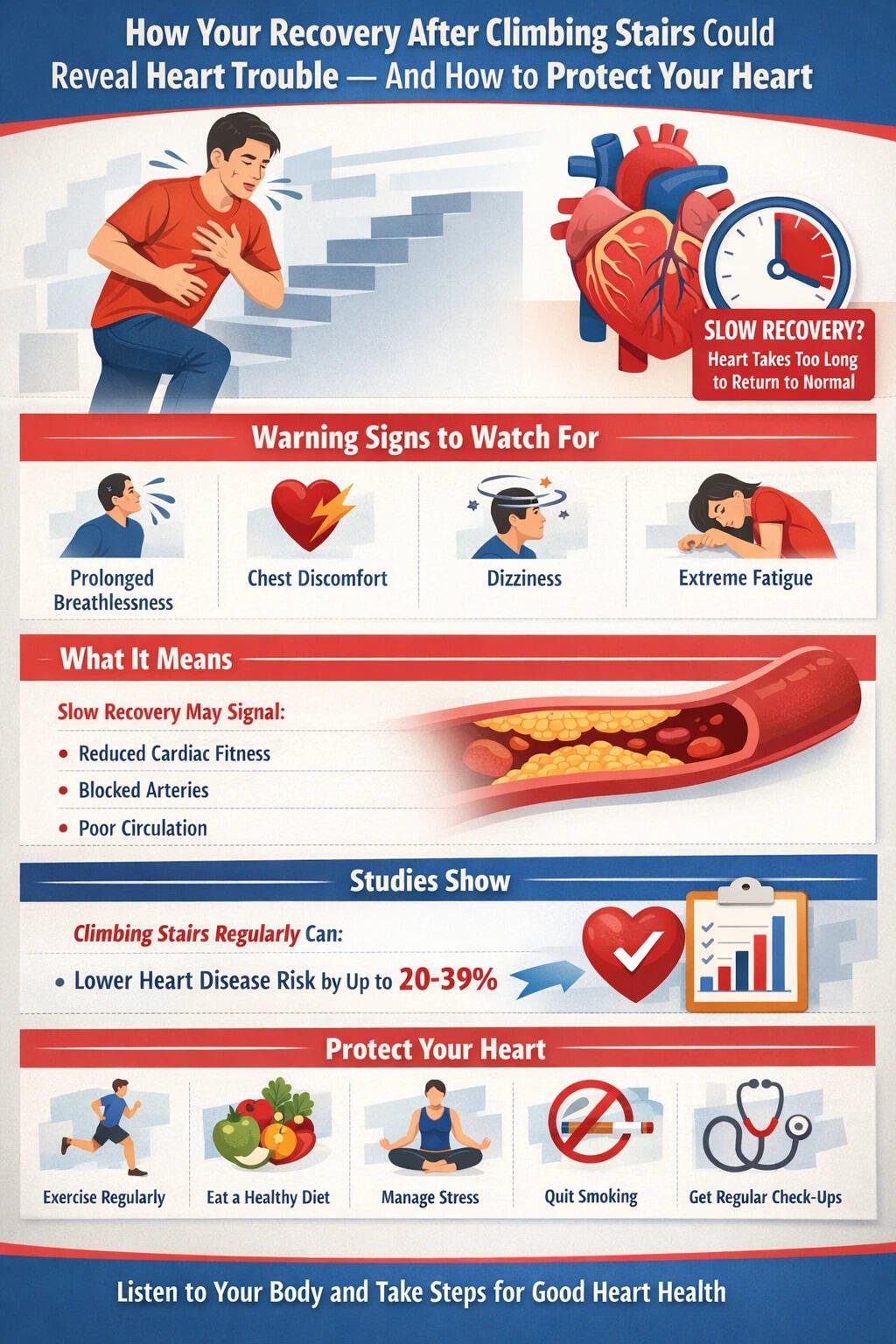
Recovery speed reflects how efficiently the cardiovascular system works. Several biological processes are involved.First, the heart must pump blood effectively. Second, arteries must carry oxygen to tissues without obstruction. Third, muscles must absorb that oxygen and clear metabolic waste.If any part of this chain struggles, recovery slows down.Dr Agarwal notes, “Research suggests that delayed recovery after mild physical exertion can sometimes be an early warning sign of cardiovascular problems such as reduced cardiac fitness, blocked arteries, or poor circulation. The body’s recovery speed reflects how well the heart pumps blood and how effectively oxygen reaches muscles and organs.”This is why doctors sometimes measure heart rate recovery after exercise during stress tests in hospitals.
Scientific studies that link stair climbing with heart health
Large population studies support the idea that everyday activities such as stair climbing reveal cardiovascular fitness.Climbing more than five flights of stairs at home each day was linked to a lower risk of death from all causes and cancer compared with people who did not use the stairs, though it was not associated with a reduced risk of cardiovascular disease–related mortality, according to a study found in NIH.These studies suggest that stair climbing is more than exercise. It also reflects the body’s ability to respond and recover from physical stress.Government research institutions such as the National Institutes of Health have also explored how heart rate recovery after physical activity can be monitored to evaluate cardiovascular fitness and rehabilitation progress.
Warning signs people should not ignore
Slow recovery after climbing stairs is not always dangerous. Fatigue, dehydration, or poor fitness can also cause breathlessness.However, certain symptoms deserve attention.Dr Agarwal advises, “People should pay attention to symptoms like prolonged breathlessness, chest discomfort, dizziness, or extreme fatigue after climbing stairs.”Other signs that may signal a cardiovascular issue include:
- Breathlessness lasting several minutes
- Heart racing long after stopping
- Tightness or pressure in the chest
- Sudden dizziness or weakness
- Needing frequent pauses during mild exertion
These symptoms may indicate reduced blood flow or poor heart function.
Why recovery speed declines with poor cardiovascular fitness
Modern lifestyles often weaken the body’s recovery response.Long hours of sitting, poor diet, smoking, and unmanaged stress all affect the cardiovascular system.Over time, arteries can stiffen and accumulate plaque. This condition, called atherosclerosis, restricts blood flow and forces the heart to work harder.In such cases, even small efforts like climbing stairs can trigger prolonged fatigue or breathlessness.Cardiologists often describe this as reduced cardiorespiratory fitness, which reflects how efficiently the heart, lungs, and muscles work together.
Paying attention to how the body responds to everyday activities can help detect problems early and encourage healthier habits.
Small daily habits that protect the heart
The good news is that cardiovascular fitness can improve with consistent habits.Doctors often recommend:
- Regular aerobic exercise such as walking or cycling
- Taking stairs instead of elevators when possible
- Maintaining a balanced diet rich in fruits and vegetables
- Controlling blood pressure, cholesterol, and blood sugar
- Avoiding smoking
- Managing stress and sleep patterns
Even short bursts of physical activity can help the heart adapt and become stronger.
When to seek a heart check-up
Not every episode of breathlessness signals disease. But persistent symptoms deserve medical evaluation.Cardiologists may recommend tests such as:
- Exercise stress testing
- ECG monitoring
- Echocardiography
- Blood pressure and cholesterol screening
Early detection is critical. Many heart conditions develop quietly for years before causing major symptoms.Dr Agarwal emphasises, “Regular physical activity, a balanced diet, and routine heart check-ups are important. Early detection can help prevent serious heart disease and improve long-term cardiovascular health.”The body constantly sends small signals about its internal health. Recovery after climbing stairs is one of them.A healthy heart speeds up when needed and slows down quickly when the effort ends. When that recovery becomes slow or uncomfortable, the body may be asking for attention.Sometimes, the staircase outside the home can reveal more about heart health than expected.Medical experts consultedThis article includes expert inputs shared with TOI Health by:Dr Ashish Agarwal, Director & Unit Head (Unit-1) Cardiology at Aakash Healthcare.Inputs were used to explain why feeling breathless after climbing stairs may indicate reduced cardiovascular fitness or early heart-related concerns, how the body’s recovery speed can reflect heart health, and the simple habits cardiologists recommend to help strengthen the heart.
