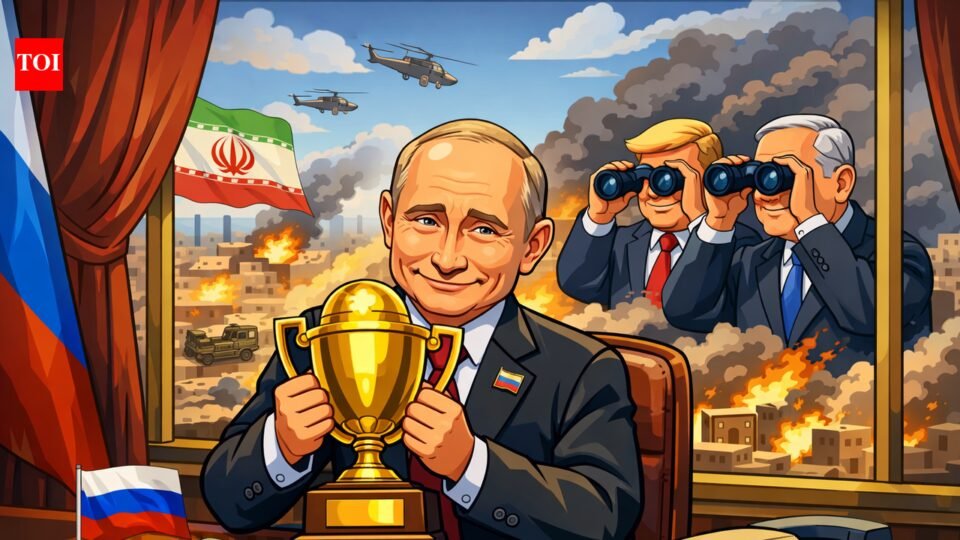
“The supreme art of war is to subdue the enemy without fighting,” wrote ancient Chinese strategist Sun Tzu in The Art of War.That idea may now be quietly playing out in the geopolitics of the Middle East and far beyond it.As tensions rise and global powers take sides, the ripple effects are spilling well beyond the region. Yet even as the spotlight remains fixed on the Middle East, another player appears to be gaining ground quietly offstage: Russia.
While US President Donald Trump pushes ahead with Operation Epic Fury and Israeli Prime Minister Benjamin Netanyahu unleashes ‘Lion’s Roar’ against Iran, Russia appears to be positioning itself to benefit from a conflict it did not directly start.The chaos began on February 28, when joint United States–Israel strikes targeted Iranian nuclear and military facilities, reportedly killing top leadership including Supreme Leader Ali Khamenei. Since then, tensions have continued to escalate, spilling beyond the three nations into the wider Gulf region. As the world watches to see who will blink first, Moscow has moved to expand its influence through diplomacy, energy leverage and strategic positioning.Though Russia has not explicitly entered the conflict, it has continued to shape events from the sidelines. After the strikes, Moscow condemned the US-Israeli attacks on Iran as a “preplanned and unprovoked act of armed aggression” against a sovereign UN member state, calling for an immediate halt and a return to diplomacy.At the same time, reports have suggested that Russia may have shared intelligence with Tehran on US military assets in the region, though these claims remain contested and not independently verified.
This raises a larger question: could the turmoil in the Middle East ultimately work in Russia’s favour?
Russia: ‘The quiet winner’?
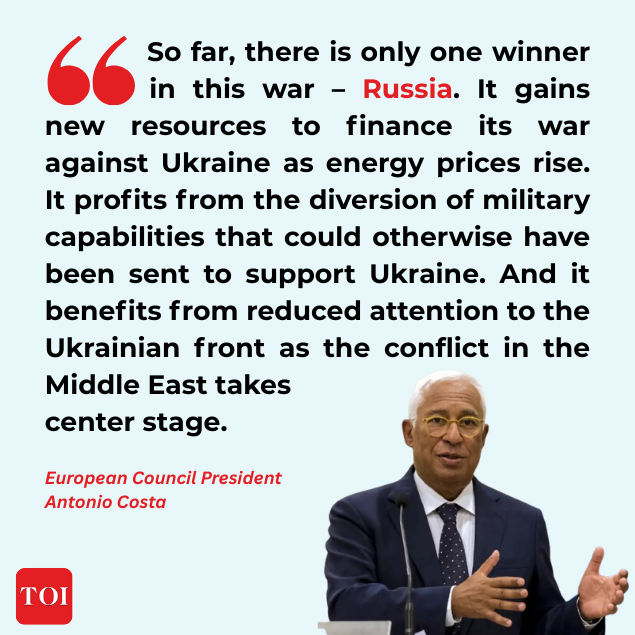
According to António Costa, the conflict may already have a clear beneficiary. “So far, there is only one winner in this war — Russia,” Costa told EU ambassadors in Brussels.While other powers are caught up in the fighting, Russia has largely stayed on the sidelines, using the crisis to expand its influence and reinforce its strategic position. At a moment when the region is gripped by escalating tensions, Costa’s remark underscores a growing perception: even without firing a shot, Moscow could emerge as one of the biggest beneficiaries.The question, however, is how?
When Hormuz sneezes, markets turn to Russia
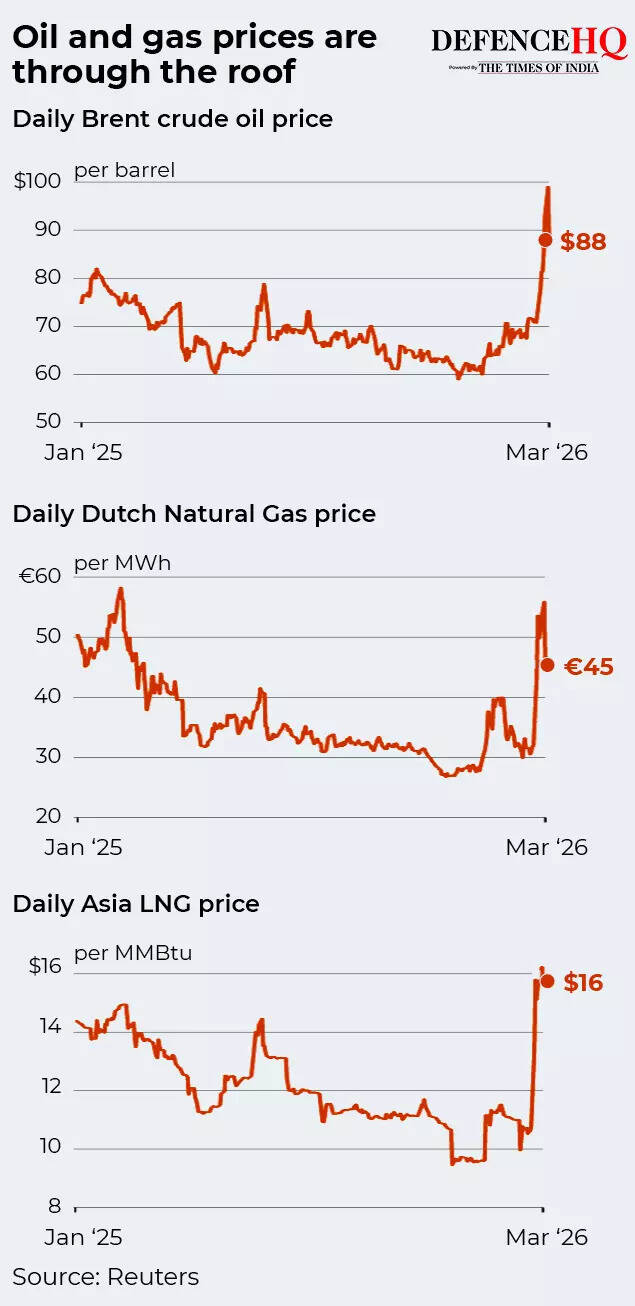
One of the biggest advantages for Russia lies in energy. Early Thursday, Iran sharply escalated the regional conflict targeting key energy facilities across the Gulf, setting multiple refineries and gas sites ablaze in Saudi Arabia, Qatar and Kuwait. The strikes came after Israel hit Iran’s South Pars gas field, a critical source of the country’s energy supply. An Iranian drone struck Saudi Arabia’s SAMREF refinery in Yanbu on the Red Sea, raising fresh concerns over oil exports routed away from the Strait of Hormuz. The attacks deepened fears of a broader energy crisis, with Brent crude surging to $114 a barrel as concerns mounted over supply disruptions across the Gulf.
Ben McWilliams, an affiliate fellow at the Brussels-based think tank Bruegel, told The Kyiv Times that the current state of global energy markets is “extremely good news for Russia, especially when it comes to crude oil.”Even before the latest escalation, Russia’s energy revenues were recovering. Data from the Centre for Research on Energy and Clean Air (CREA) shows that in February 2026, Russia earned about €492 million per day from fossil fuel exports, a 7% increase from January.
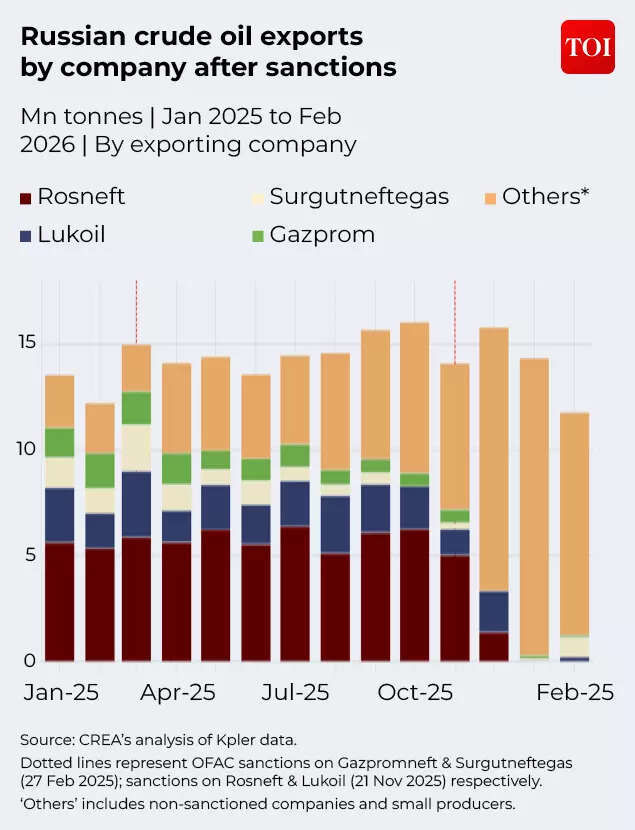
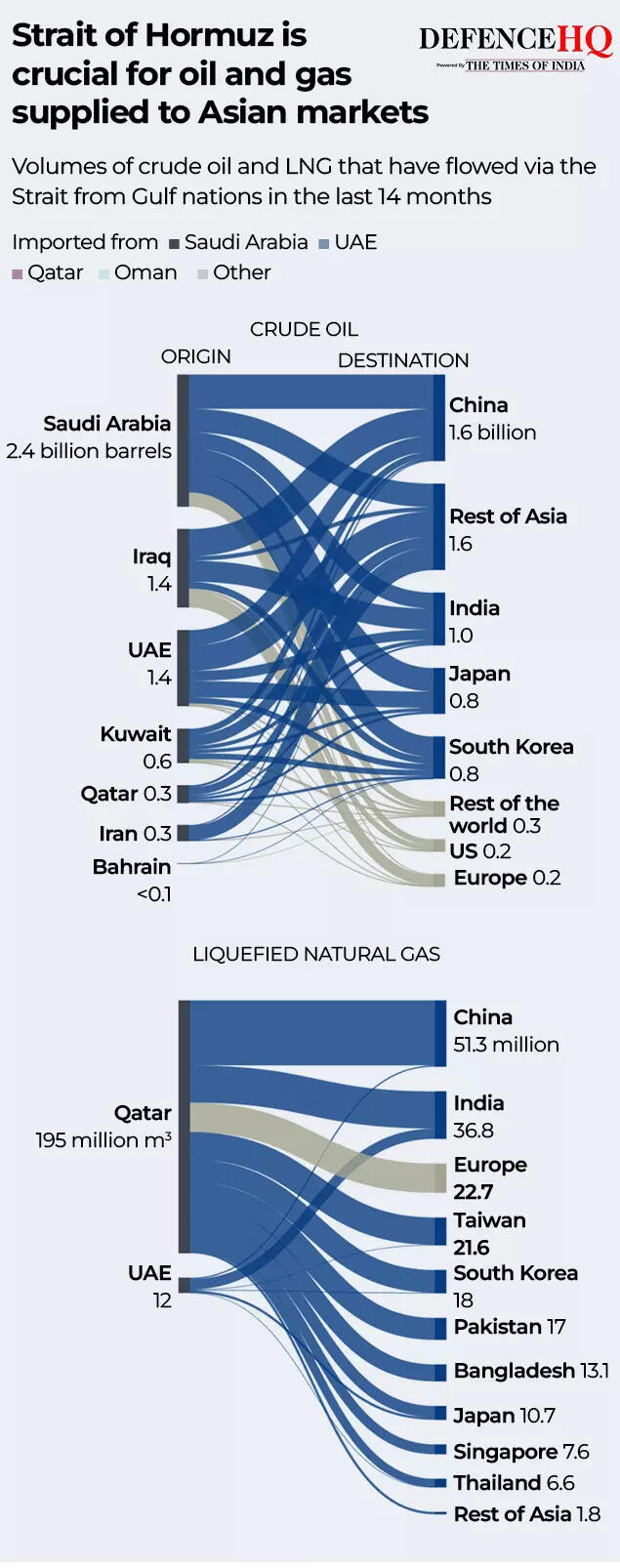
Disruptions in the Strait of Hormuz, which carries roughly a fifth of global oil supply, have further tightened markets. A significant share of this energy flow heads to Asian economies such as China, India, Japan and South Korea.Rising tensions have left tankers stranded and disrupted supply chains. With oil prices climbing and uncertainty rising, countries are increasingly looking for alternative sources, including Russian crude, which largely bypasses the Strait of Hormuz.After 2022 sanctions, Russia redirected exports to India and China via the Baltic, Black and Pacific routes. The current crisis has made these flows more attractive, even as enforcement of sanctions remains uneven.At the same time, Russia could benefit from potential disruptions in the natural gas market as well.
Fuel for growth: How oil prices boost Russia’s economy
Oil and gas remain central to Russia’s economy, forming a major part of the Kremlin’s budget even under sanctions. Just before the Middle East escalation, Moscow faced mounting pressure. Russia’s oil and gas revenues had weakened, economic growth slowed to around 1% in 2025, and forecasts for 2026 were cut further.The Middle East crisis has improved that outlook, though not uniformly. The Kremlin had built its budget on an average Urals crude price of $59 per barrel, raising hopes in Kyiv that Russia might struggle to sustain its military campaign. However, disruptions in the Strait of Hormuz, a key global oil route, sent crude prices soaring. Brent crude surpassed $80 per barrel, while Russia’s Urals crude rose above $70, well beyond Moscow’s benchmark, providing an unexpected financial windfall. “When a good fifth of global oil supply and roughly a quarter of seaborne trade is disrupted, that’s a boon for Russia,” Sergey Vakulenko, senior fellow at the Carnegie Russia Eurasia Centre, told The Guardian.Higher prices could give Moscow additional fiscal space, allowing it to delay difficult budget decisions and sustain spending — including on defence.However, analysts note that Russia has not fully capitalised on the price surge due to logistical constraints, weather disruptions and infrastructure challenges.
Guns on the move: A shifting battlefield
Ukrainian President Volodymyr Zelenskyy has sounded the alarm: “Russia will try to exploit the war in the Middle East to cause even greater destruction here in Europe, in Ukraine.”His remarks followed another wave of Russian strikes involving hundreds of drones and missiles.At the heart of Kyiv’s concern is a growing global competition for air defence systems. As the US deepens its military focus in the Middle East, deploying assets to deter Iran and protect allies, Ukraine risks slipping down the priority list.Among the most critical systems Ukraine relies on is the US Patriot air-defence system. These systems are already in limited supply and now face competing demand from countries in the Gulf.This raises concerns that Ukraine could face tighter access to high-end air defence systems if the conflict continues.
Spotlight shifts away from Ukraine
The war in the Middle East is also shifting global attention away from Ukraine. What was once an active US-led peace push is losing momentum as Washington’s focus turns to Iran. European officials told the Financial Times that talks between Kyiv and Moscow have drifted into a “danger zone.”Recent negotiations now appear stalled, with follow-up talks postponed amid the Middle East escalation.Even Moscow has acknowledged the pause. “A pause has indeed appeared in the talks. The Americans have other priorities,” Kremlin spokesperson Dmitry Peskov said.For European diplomats, the shift is stark: political attention has been “severely reoriented” away from Ukraine.
The bigger picture
Start with a simple question: where is the world’s attention right now?As EU foreign policy chief Kaja Kallas noted, it is increasingly shifting towards the Middle East — and that shift is not just diplomatic, but also military. The US is redirecting resources to the Gulf, including air-defence systems. These are the same systems Ukraine depends on, raising the risk of a squeeze on supply.Now flip the lens: who benefits from this shift?Russia.With fewer resources flowing to Ukraine, Moscow gains a wider operational window. It can sustain pressure through relatively low-cost drone and missile attacks, while Ukraine relies on expensive defensive systems.At the same time, the Middle East crisis is boosting Russia’s energy revenues. Rising tensions are tightening supply and pushing up prices, allowing Russian crude to remain attractive to major buyers such as India and China.Moscow has also signalled readiness to rebuild energy ties with Europe under the right conditions, highlighting its continued relevance in global markets.Put together, the picture becomes clearer: higher oil revenues, steady export flows and strategic distraction are all working in Russia’s favour.The net effect is that Russia is gaining financial and strategic leverage from a conflict it has not directly entered — strengthening its position even as others bear the cost.
