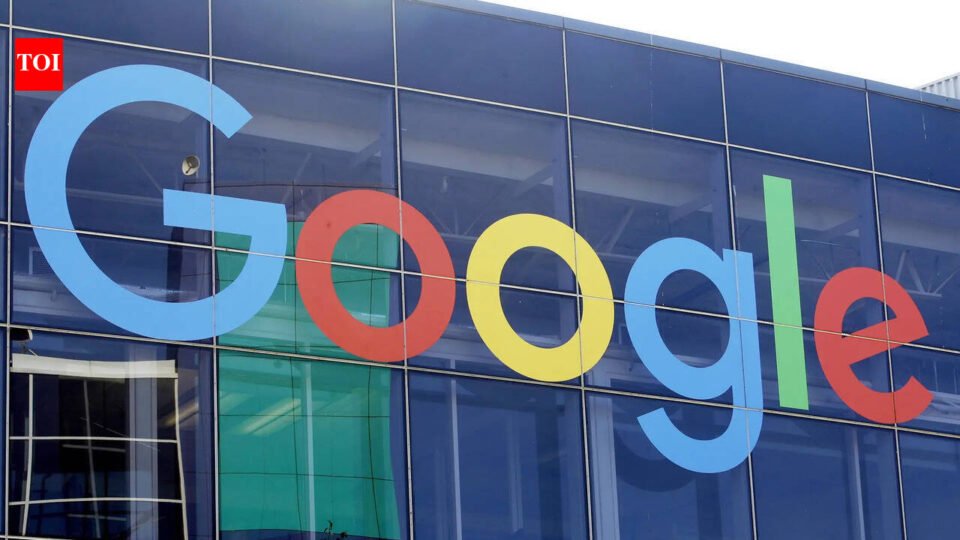
Google has now sent a ‘clear message’ to its employees who are worried about its growing ties to the US Department of Defense. According to a report by Business Insider, Google informed its employees that the company is confident its work aligns with its AI principles and is “leaning more” into national security contracts. At a Google DeepMind Townhall, the staff asked how partnerships with the Pentagon and Boston Dynamics fit within the AI policies of the company. Tom Lue, VP of global affairs at DeepMind, told employees that Google has a ‘robust process’ to review use cases, ensuring protections around safety, responsibility and privacy. He further reminded the staff that Google has updated its AI principles in 2025, removing a previous pledge not to use its technology for weapons or surveillance.Lee further added that the guiding principle is whether the benefits ’substantially exceed the risks.’ He added that employees should expect more government deals, noting: “This is an area we’re going to be leaning more into. We’re talking with governments about their national security concerns.” DeepMind CEO Demis Hassabis echoed that sentiment, saying he was “very comfortable” with the balance Google is striking. “It’s incumbent on us to work with democratically elected governments and provide the unique capabilities we’re world-class in to help the world be safer,” Hassabis told staff.
Google rebuilding ties with Pentagon
Google has also re-engaged with the Pentagon last year after walking away from a military deal in 2018 amid employee protests. This month, it secured a contract to deploy AI agents across the department’s unclassified networks, focusing on clerical tasks such as summarizing documents and extracting text from contracts. Leaders stressed that the tools are not used for identifying or striking targets.The tech industry’s role in warfare and surveillance has become a flashpoint. Rival Anthropic recently clashed with the Pentagon after drawing red lines on military use of its AI, leading to a lawsuit over being blacklisted as a “supply chain risk.” Meanwhile, companies like Amazon and Oracle are also competing for defense contracts once shunned by Silicon Valley.
