UK manufacturers are grappling the biggest monthly leap in their costs since 1992, according to the first snapshot of the Middle East conflict’s effect on the economy.
The flash reading for S&P Global’s Purchasing Managers’ Index (PMI), which covers both factory and non-retail service sector output, showed activity at its slowest pace for six months during March.
While still in positive territory, the survey of company purchasing managers will still raise fears for growth and the outlook for inflation ahead since the US-Israeli war with Iran began on 28 February.
Money latest: Markets remain volatile despite peace hopes
Input costs were driven up by higher prices for fuel, transport and energy-intensive raw materials, according to the report.
S&P’s measure of those cost shifts showed the biggest acceleration from one month to the next since sterling tumbled out of Europe’s Exchange Rate Mechanism in 1992.
Businesses said they raised their prices at the fastest rate since April 2025 – a move that will be reflected in an increasing amount of goods in the coming days and weeks – while employment fell for the 18th month in a row.
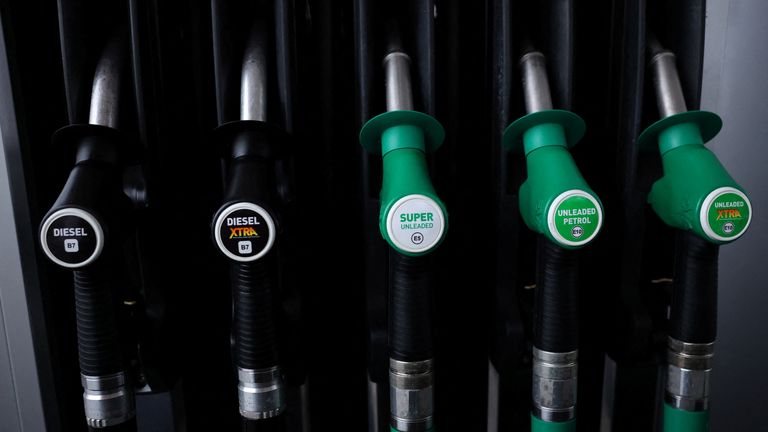
Energy costs, including those for fuel, are already being passed on by companies. File pic: Reuters
The effects of the Middle East conflict represent challenges for the Bank of England as it will want to prevent an energy-led spike in the pace of price growth becoming engrained in the economy, placing a further brake on the economy.
LSEG data suggests that financial markets have fully priced in a 0.5 percentage point rise in Bank rate by the year’s end.
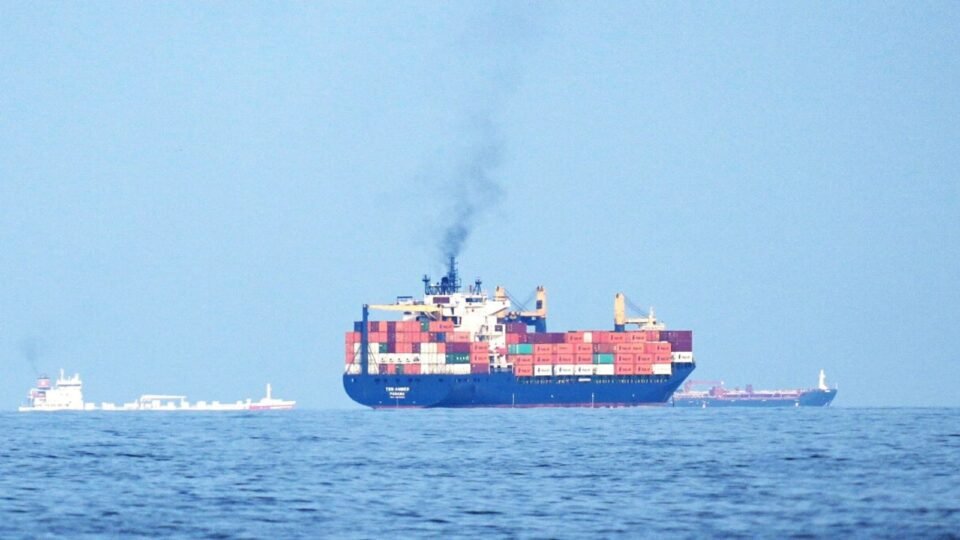
Oil prices remain almost 50% up during March alone, despite rising hopes for a ceasefire between the US and Iran which could eventually help unlock traffic through the key Strait of Hormuz transit route.
Oil and natural gas costs are, however, set to remain elevated above pre-war levels for some time – even if there is an immediate truce – due to the damage done to energy infrastructure across the Gulf.
Chris Williamson, chief business economist at S&P Global Market Intelligence, said of its findings: “Output growth across manufacturing and services has slowed to a crawl as companies blamed lost business directly on the events in the Middle East, whether through heightened risk aversion among customers, surging price pressures, higher interest rates, or via travel and supply chain disruptions.
“Inflationary pressures have surged higher on the back of rising energy prices and fractured supply chains. The
acceleration in cost growth in the manufacturing sector was especially severe, being the sharpest since the depreciation
of sterling following Black Wednesday in 1992.
“The full impact on inflation and economic growth depends not just on the duration of the war but also the length of
disruptions to energy markets and shipping, though March’s PMI numbers clearly underscore how downside growth risks and upside inflation risks have already materialised.
“The Bank of England faces a challenging period where it will need to balance these growth and inflation risks when
setting policy, seeking to dampen the potential for the inflation spike to become more engrained while ensuring
a hawkish interest rate outlook does not exacerbate downturn risks.”
