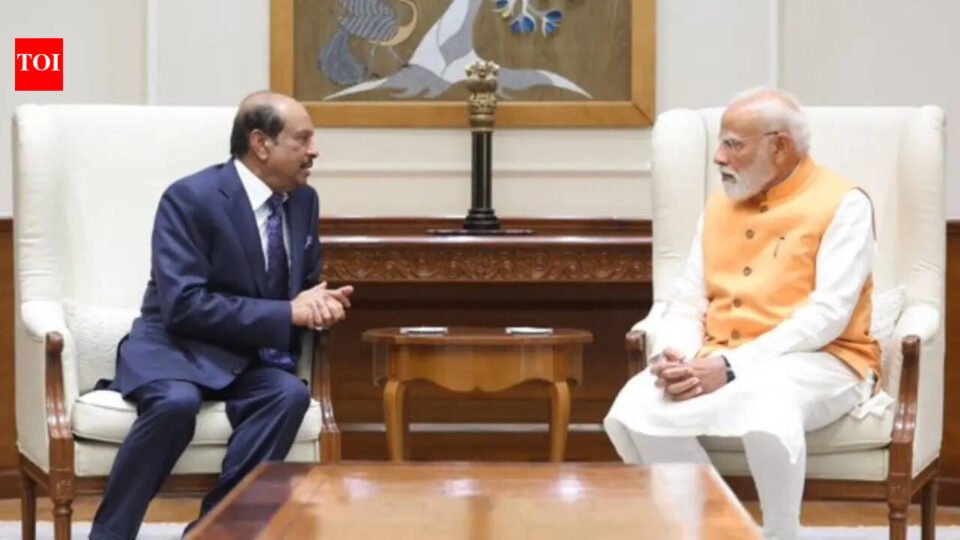
In a moment that underscores the deepening economic and strategic ties between India and the Gulf, business magnate and LuLu Group Chairman Yusuff Ali MA recently met with Prime Minister Narendra Modi to deliver a critical assurance: food supplies to the Gulf region will remain uninterrupted, despite rising global uncertainties. The high-level briefing comes at a time when geopolitical tensions, supply chain disruptions and volatile commodity markets have raised fresh concerns about food security across the Middle East, a region heavily dependent on imports.
India–Gulf food corridor: A strategic lifeline amid Iran vs US-Israel war
At the centre of the conversation is the Lulu Group International, one of the largest retail and distribution networks operating across the Gulf. With a footprint spanning the UAE, Saudi Arabia, Oman, Qatar and Kuwait, Lulu Group plays a critical role in sourcing, transporting and distributing food products, many of which originate from India.During the meeting, Yusuff Ali thanked the Indian government for stable supply chains as inventory levels remain sufficient and no immediate disruption is expected in essential food exports to the Gulf. Taking to his X (formerly Twitter) handle later, he tweeted, “Extremely thankful to Shri @narendramodi Ji, Hon’ble Prime Minister for the continued support in ensuring uninterrupted food supplies from India to the GCC countries during the current situation. Delighted to meet Hon’ble PM today in New Delhi and share LuLu Group’s efforts towards strengthening food security. @PMOIndia (sic).”The timing of this development is crucial. In recent weeks, the region has witnessed escalating geopolitical tensions amid Iran vs US-Israel war that led to airspace disruptions affecting cargo routes and rising freight costs. These were followed by weather-related instability across parts of the Gulf. These factors have collectively sparked concerns about food shortages, price volatility and delays in essential imports. For Gulf nations, many of which import over 80–90% of their food requirements, even minor disruptions can have major ripple effects.
India’s growing role as a food security partner for the Gulf
India has long been a key supplier of rice, wheat, fruits, vegetables, meat and processed foods but in recent years, its role has expanded from exporter to strategic partner. Through companies like Lulu Group, India is not just supplying goods but is also helping build a reliable, large-scale food distribution ecosystem in the Gulf. The meeting between Yusuff Ali and Prime Minister Modi signals a coordinated approach between government and private sector and a commitment to maintaining stable export channels even during global uncertainty
Inside Lulu’s supply chain machine: From farms in India to shelves in the Gulf
What makes Lulu Group’s assurance particularly significant is the scale of its operations. The company sources directly from Indian farmers and producers, operates large logistics and warehousing networks and runs hypermarkets that serve millions of customers daily. This vertically integrated model allows it to reduce dependency on intermediaries, control supply timelines and maintain price stability.In times of disruption, this kind of system becomes a buffer against shocks. The India–Gulf food corridor is a complex, high-speed pipeline. A typical journey involves:
- Procurement from Indian agricultural hubs
- Processing and packaging
- Export via sea or air cargo
- Distribution through Gulf-based logistics centres
- Retail via supermarket chains
Any disruption at one stage can affect the entire chain, which is why assurances like this carry significant weight.
The price factor: Stability vs inflation in India and the Gulf amid Iran vs US-Israel war
Beyond availability, one of the biggest concerns for Gulf residents is pricing. Global trends have already pushed up shipping costs, fuel prices and commodity rates. Yusuff Ali’s reassurance indirectly signals that efforts are underway to prevent sudden price spikes and supply continuity will help stabilise retail markets. For millions of expatriates, including a large Indian diaspora, this is a critical issue affecting daily living costs.Millions of Indians live and work in the Gulf, forming one of the largest expatriate communities in the world. For them, Indian food products are a staple but availability is tied to cultural and emotional comfort. Price stability directly impacts household budgets. In that sense, ensuring uninterrupted supply is not just an economic move, it is a social stabiliser.
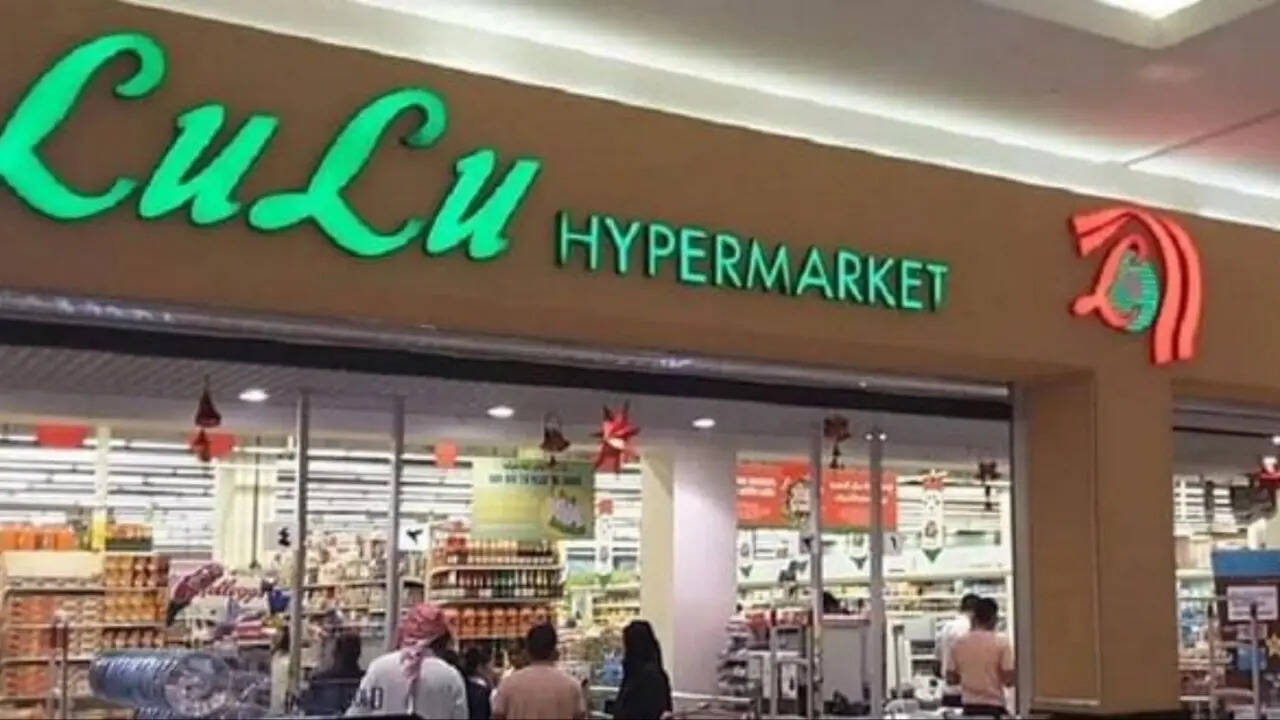
Iran vs US-Israel War: How Lulu Group International Is Keeping Gulf Shelves Stocked During Global Uncertainty Courtesy India
This development also reflects a larger trend. Economic diplomacy is increasingly being driven by supply chains. Rather than focusing solely on trade agreements, countries are securing essential goods, strengthening logistics partnerships and building resilience against global shocks. India’s proactive engagement, combined with private sector execution, positions it as a reliable partner in a volatile world.While the outlook is stable for now, experts caution that risks persist. Prolonged geopolitical conflict could affect shipping routes, weather disruptions may impact production cycles and global inflation pressures could still influence pricing. In other words, the system is stable but not immune hence continuous monitoring and coordination will be essential.This meeting between Yusuff Ali and Modi is more than a routine business update. It represents the interdependence of India and the Gulf, the critical role of private companies in public stability and the importance of food security in geopolitical strategy. In a world where supply chains can break overnight, assurance itself becomes a form of stability.At a time when uncertainty dominates headlines, the food lifeline between India and the Gulf remains intact. For millions across the region, that assurance means more than logistics. It means stability, affordability and peace of mind because in today’s interconnected world,keeping shelves stocked is as much about strategy as it is about supply.
