
EU signs off on Ukraine loan, new Russia sanctions
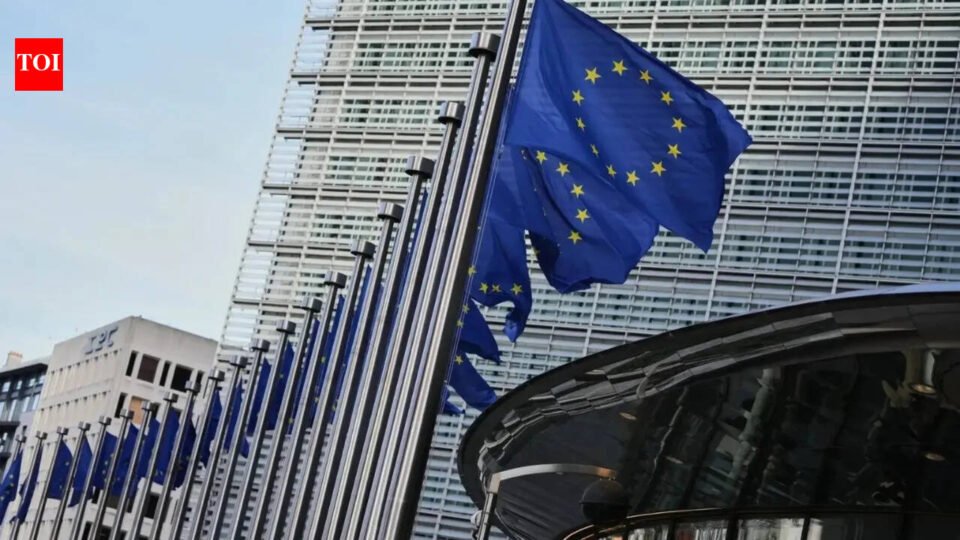
The European Union on Thursday gave final approval to a €90 billion ($105 billion) loan for Ukraine and a new round of sanctions against Russia, ending a prolonged standoff that had held up EU support for Kyiv.The measures were signed off after Hungary and Slovakia dropped their objections following the resumption of oil flows through the damaged Druzhba pipeline, which supplies Russian crude to both countries.“Deadlock over,” EU foreign policy chief Kaja Kallas posted online. “Russia’s war economy is under growing strain, while Ukraine is getting a major boost.”
Loan details
The €90 billion loan, intended to cover Ukraine’s financial needs for 2026-2027, will have two-thirds allocated to defence and the remainder to budgetary support. The first tranche is expected by May or June, according to Ukrainian President Volodymyr Zelenskyy.“The funds from the European package will be directed, among other priorities, to arms production, the procurement of necessary weapons from partners that we do not yet produce in Ukraine, and the preparation of our energy sector and critical infrastructure for the next winter,” Zelenskyy said.Hungary, Slovakia and the Czech Republic have opted out of contributing to the loan.
Sanctions package
The 20th package of EU sanctions against Moscow targets Russia’s energy, banking and trade sectors. It also expands restrictions on Russia’s so-called “shadow fleet” of ageing tankers used to circumvent oil export restrictions, and includes curbs on Russian cryptocurrency traders.“While Russia doubles down on its aggression, we are doubling down on our support to the brave Ukrainian nation,” European Commission President Ursula von der Leyen said.
Political context
The row had held up EU support for Ukraine at a time when the United States has largely cut Kyiv off and eased sanctions on Russian oil amid the Iran war.Hungary’s outgoing Prime Minister Viktor Orban — who suffered a crushing election defeat this month — had stalled the loan as leverage to get Ukraine to repair the pipeline carrying Russian oil to his landlocked country.Slovakia and Hungary confirmed earlier Thursday that they had again begun receiving oil via the Druzhba pipeline after repairs were completed.Zelenskyy hailed the decision as “an important day for our defence and our relations with the European Union.”“This package will strengthen our army, make Ukraine more resilient, and enable us to fulfil our social obligations to Ukrainians,” he said.
