

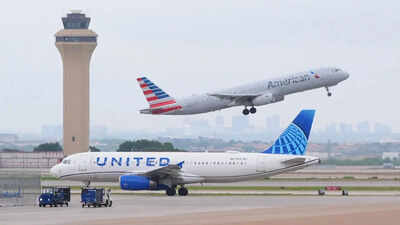
Starting May 1, several airlines in the United States are introducing new rules for carrying and using portable chargers during flights. The move comes as airlines respond to a rise in incidents linked to lithium battery-powered devices as the Federal Aviation Administration (FAA) data shows. While there is no single nationwide rule from regulators, individual airlines are tightening their policies to reduce risks onboard. These changes mainly focus on how many power banks passengers can carry and where they can store or use them during a flight.
What are the new flying rules introduced by US airlines
According to a Forbes report, American Airlines will limit passengers to carrying only two portable chargers. Passengers will also need to keep any active charger in plain view, such as in a seat pocket or on a tray table. Chargers can still be kept in carry-on bags if they are switched off.While Southwest Airlines has taken stricter steps. The airline now allows only one portable charger per passenger and does not allow them to be stored in overhead bins.United Airlines, on the other hand, requires passengers to keep portable chargers within reach at all times and not place them in overhead storage.Delta Air Lines allows up to two portable chargers but also requires that they remain within reach and not in overhead bins.
Why airlines are tightening rules
FAA data shows that lithium battery incidents on flights are rising. The agency has reported 28 such incidents so far this year, including cases involving smoke, fire or overheating. This averages nearly two incidents per week.Since 2006, there have been over 700 reported lithium battery incidents on aircraft. A large number of these cases involve portable battery packs.In some recent incidents, flights had to change routes due to overheating devices. In one case, a flight was diverted after a portable charger caught fire mid-air.
What this means for travellers
Passengers flying within the US may now need to follow airline-specific rules when carrying portable chargers. This includes limits on the number of devices and restrictions on where they can be stored during a flight.While regulators still allow passengers to carry such devices in cabin baggage, airlines are taking additional steps to reduce risks. Travellers are advised to check airline guidelines before flying and ensure their devices are handled safely during the journey.
