
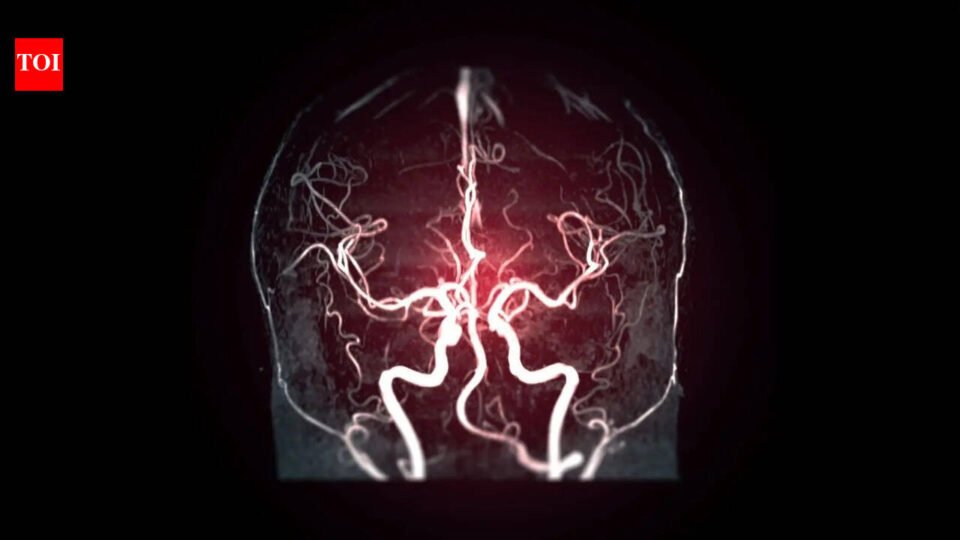
A strange headache, a blur in vision, a moment of confusion, these can easily pass off as stress or general fatigue. But sometimes, they can hint at something more, something hidden in the blood vessels that keep the brain alive. That is where a test called Cerebral Angiography becomes important. It does not just look at the brain; it maps its lifelines.As Dr Nitin Dange explains, “There is no awareness regarding cerebral angiography. This article highlights the critical symptoms that indicate you need a cerebral angiography.”
What exactly is Cerebral Angiography?
At its core, cerebral angiography is a detailed imaging test that shows how blood flows through the brain. Doctors call it the gold standard for spotting vascular problems.Dr Dange puts it simply, “Cerebral dsa test is gold standard to diagnose brain vascular disorders. It is a specialised imaging test used to examine the blood vessels in the brain.”The process sounds complex, but it is controlled. A thin tube is guided through a blood vessel, usually from the wrist or groin, towards the brain. A dye is then injected, making the vessels visible on X-ray images. The entire procedure usually takes about 30 minutes and is done under local anaesthesia.“Don’t worry or panic, as the patients can go home the same day or the next day, depending on their condition,” he adds.
The warning signs you should not ignore
Not every symptom demands panic, but some deserve attention. The brain often signals distress through subtle changes.Dr Dange explains, “Many serious brain conditions don’t begin with loud symptoms; they start quietly, with subtle warning signs that are often ignored.”

It is often recommended when symptoms like severe headache, weakness, or speech difficulty suggest vascular issues.
Here are some signs that may prompt doctors to recommend angiography:
- A sudden, intense headache, often described as the worst ever
- Unexplained fainting or seizures
- Weakness or
numbness , especially on one side of the body - Sudden
vision problems - Slurred speech or confusion
- Persistent
dizziness or balance issues
Each of these may point towards reduced or abnormal blood flow in the brain. In some cases, they signal conditions like Stroke or even a Brain Aneurysm.
Who really needs this test?
Cerebral angiography is not a routine test. It is recommended when symptoms or earlier scans suggest something unusual.
It becomes essential for people who:
- Show signs of stroke or mini-stroke (TIA)
- Have suspected aneurysms or abnormal vessel connections
- Experience repeated unexplained
neurological symptoms - Need detailed imaging before or during treatment
Dr Dange notes, “It helps the expert to see what’s happening inside the brain’s blood circulation and take timely action.”In fact, according to the National Institute of Neurological Disorders and Stroke (NINDS), early imaging of blood vessels plays a key role in reducing disability and improving survival in stroke cases.
Not just diagnosis: A tool that can save lives
One of the lesser-known facts is that cerebral angiography can also treat certain problems on the spot.“In some cases, the expert can treat the problem during the cerebral angiography procedure, such as removing a clot, placing a stent, or sealing an aneurysm,” says Dr Dange.That means the same procedure that diagnoses a blockage can sometimes fix it immediately. For conditions like stroke, where every minute counts, this can make the difference between recovery and long-term damage.
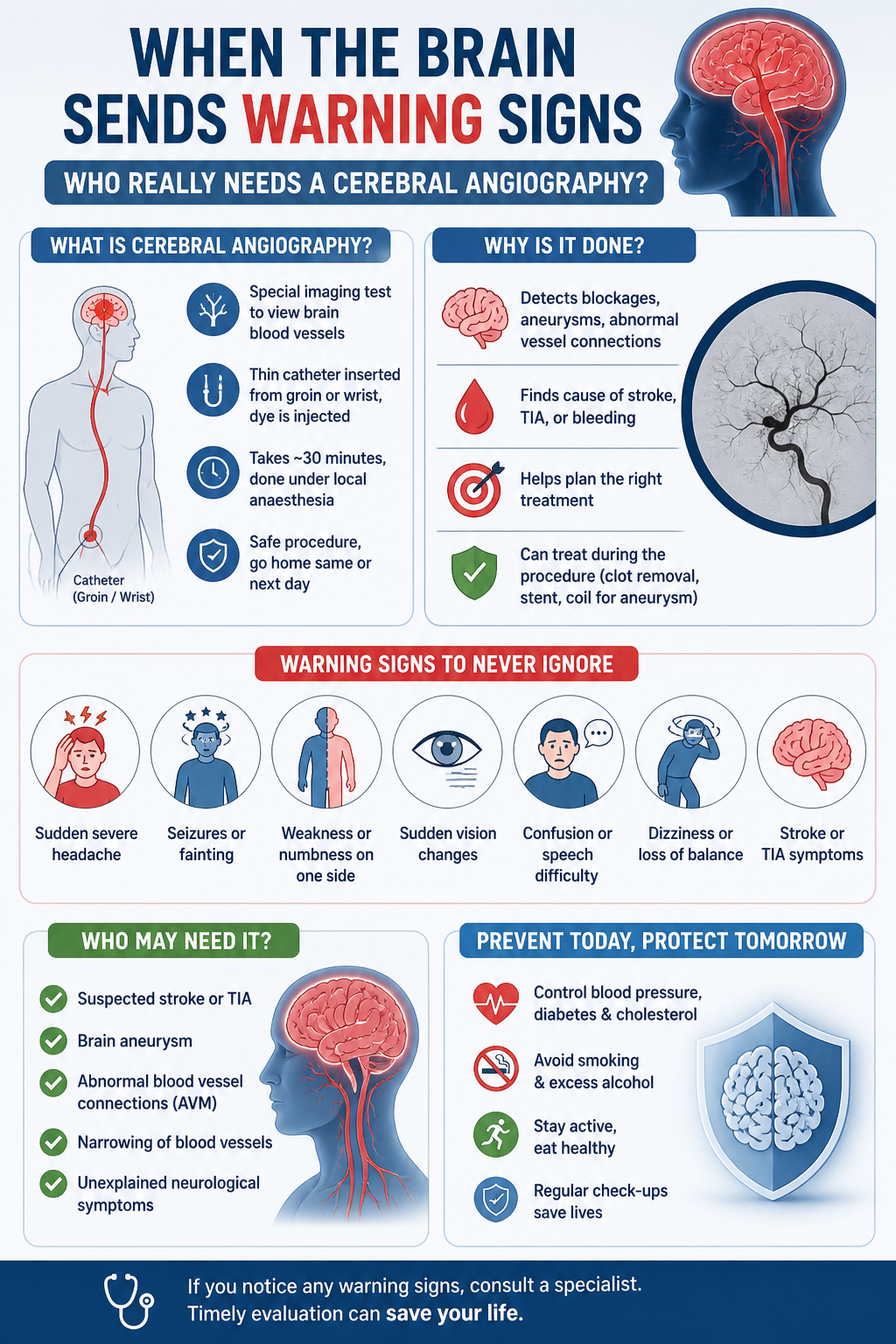
The test not only diagnoses conditions such as stroke or aneurysm but can also help treat them in real time. Early attention to warning signs can prevent serious outcomes.
Protecting the brain before it cries for help
The best approach is still prevention. Managing blood pressure, keeping diabetes under control, and avoiding smoking all reduce the risk of vascular problems.The Indian Council of Medical Research (ICMR) highlights that lifestyle diseases like hypertension and diabetes significantly raise the risk of stroke in India.Cerebral angiography is not something to fear. It is a window into the brain’s health. And when advised, it is often a step towards clarity and, in many cases, relief.Medical experts consultedThis article includes expert inputs shared with TOI Health by:Dr Nitin Dange, Director – Interventional Neurologist and Neurosurgeon, Gleneagles Hospital Parel.Inputs were used to highlight how subtle neurological symptoms can signal serious underlying vascular issues, and why timely medical evaluation, including tests like cerebral angiography, is crucial when advised by a specialist.
