
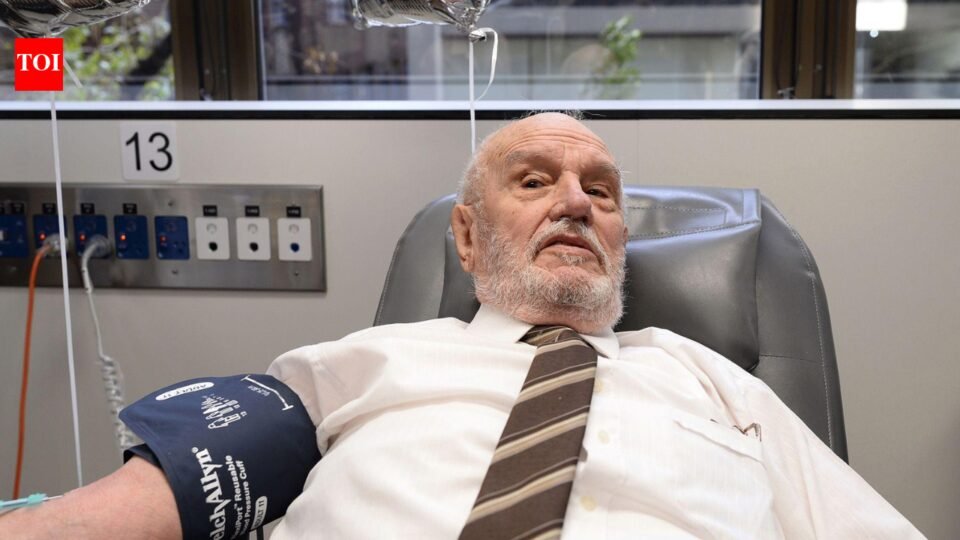
For more than six decades, James Harrison quietly carried out one of the most extraordinary acts of public service in modern medicine. Known as the “man with the golden arm,” he donated blood plasma over 1,100 times through Australian Red Cross Lifeblood, helping produce a rare treatment used to protect unborn babies. His plasma contained antibodies used to make anti-D immunoglobulin, a medication that prevents a dangerous condition in pregnancy known as Rhesus disease. Through this sustained commitment, his donations are estimated to have helped save the lives of around 2.4 million babies in Australia, many of whom would otherwise have faced life-threatening complications before or shortly after birth.
What made James Harrison’s blood so valuable
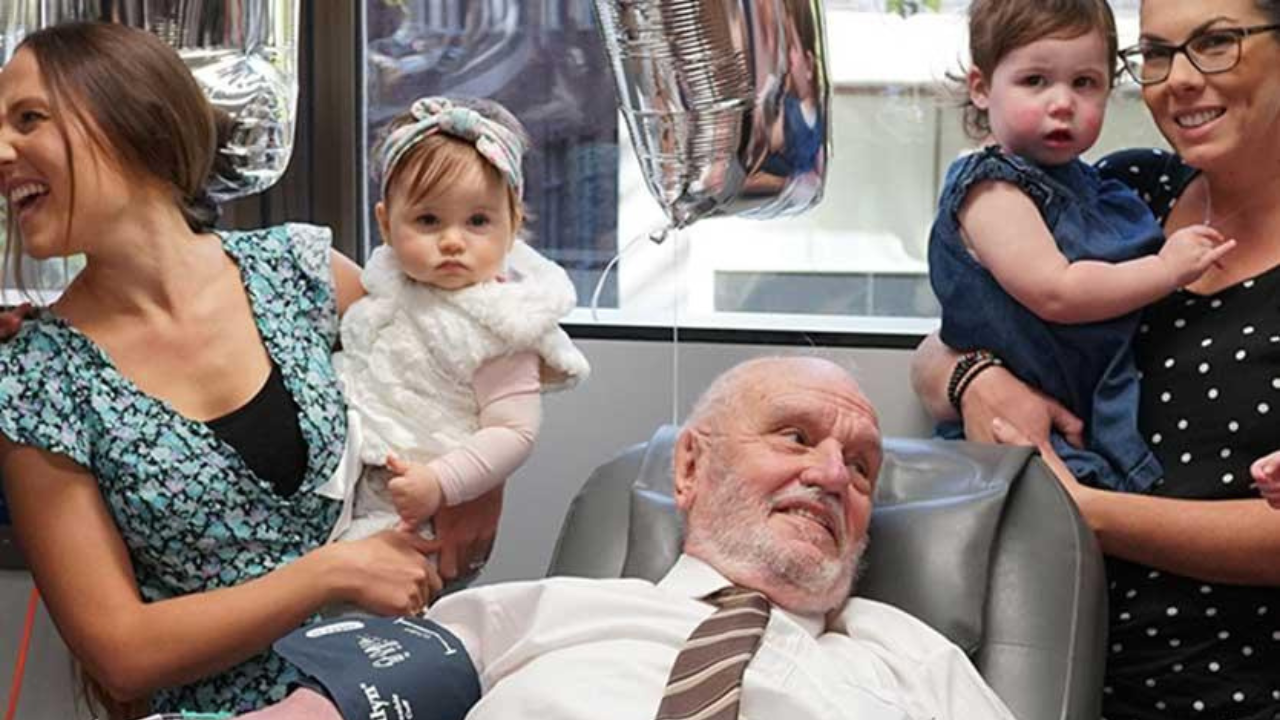
Harrison’s plasma contained high levels of anti-D antibodies, which are extremely rare. These antibodies are used to manufacture anti-D immunoglobulin, a treatment given to pregnant women whose immune systems may otherwise attack their unborn child’s red blood cells.Without this treatment, Rhesus disease can lead to severe complications such as severe anaemia, jaundice, organ failure and brain damage in newborns. In the most serious cases, it can result in stillbirth. Babies affected often require intensive medical care, including blood transfusions before or after birth. Harrison’s donations played a crucial role in preventing these outcomes and ensuring safer pregnancies.Rhesus disease occurs when a mother with Rh-negative blood carries a baby with Rh-positive blood. If fetal blood enters the mother’s bloodstream, her immune system may produce antibodies that attack the baby’s red blood cells.Anti-D injections prevent this immune response from developing. This means that in future pregnancies, the baby is protected from being attacked by the mother’s immune system. Today, because of this treatment, millions of babies are born healthy who would once have been at high risk.
A lifetime of donations
Harrison began donating in 1954 at the age of 18 and continued regularly until 2018, when he reached Australia’s upper age limit for blood donors. Over that period, he donated more than 1,100 times, often every few weeks.His commitment remained consistent throughout his life, driven by a belief that donating blood was a simple act that could save lives. Each donation contributed to doses of anti-D that protected multiple pregnancies, extending the impact far beyond a single patient.
Why his contribution was so rare
Doctors believe Harrison developed his unique anti-D antibodies after receiving multiple blood transfusions during major chest surgery as a teenager. This exposure likely triggered his immune system to produce the antibodies that later became medically significant.Only a small number of donors have blood suitable for producing anti-D, making his contribution especially important. In Australia, a limited donor pool supports the entire supply of this treatment, which is why long-term donors like Harrison are so vital.Before anti-D treatment became widely available in the 1960s, Rhesus disease was a major cause of infant death and disability. Today, it is largely controlled in countries with access to the medication.Harrison’s donations helped sustain Australia’s anti-D programme for decades, protecting generations of families. His contribution ensured that mothers could go through pregnancy with reduced risk, and that babies could be born healthy rather than facing preventable complications.
