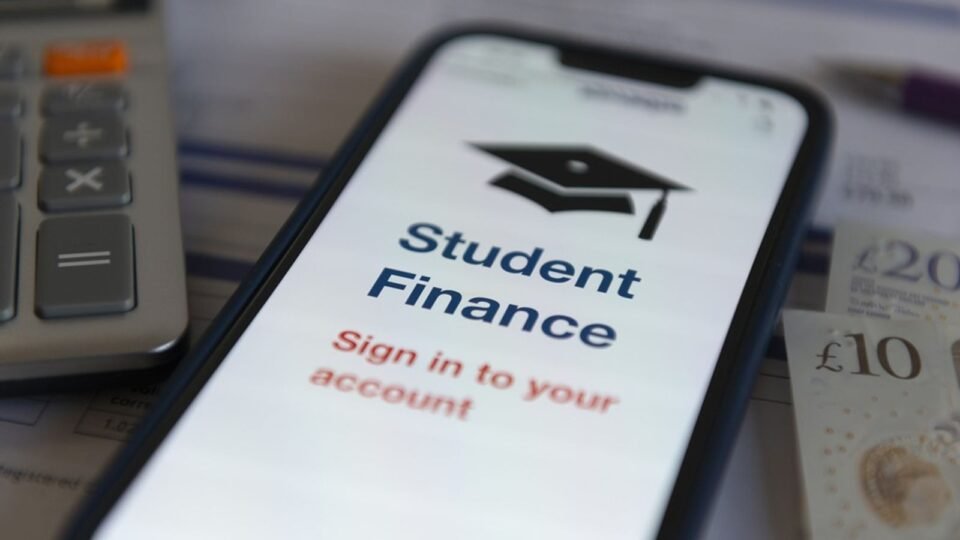

Middle-income earners will be hardest hit by a freeze to the student loan repayment threshold, experts have said.
Rachel Reeves announced in her November budget that the salary level at which many graduates start to pay back their loan would be frozen for three years from April 2027.
The move could drag workers into making higher repayments as their wages grow than they would have needed to if the threshold rose with inflation.
AJ Bell senior pensions and savings expert, Charlene Young, says the precise impact will vary by individual, but that middle-income Britons will suffer most.
“But our estimates show that graduates could easily find themselves facing an additional £250 a year of payslip deductions by the time the threshold rises again in 2030.
“Over the lifetime of the loan that could amount to almost £10,000 of additional repayments for a graduate whose payslip includes a student loan repayment deduction for the full 30 years, although the impact is hard to predict and could be more or less depending on inflation.”
Read more money news:
Should graduates get an apology over student loans?
How will war hit UK gas prices?
‘We can’t sell our house – and it’s our neighbour’s fault’
The growing row over student loans centres on plan 2 loans.
These were issued to undergraduate students who started university from 2012, when fees went up to £9,000 a year, up until 2023.
Graduates pay back 9% of their income when they earn above the current £28,470 threshold, and then interest is charged at the rate of Retail Prices Index (RPI) plus up to 3%, depending on salary.
It’s led to many seeing their debt increase years after leaving university, despite already having paid off thousands of pounds.
The chancellor said the plan 2 repayment threshold would rise to £29,385 by April 2027, when it will be frozen for three years. This change does not affect students on plan 5 loans, who started university from 2023 onwards.
Who will be the worst hit?
Young says those on the lowest incomes won’t notice the change, as workers who earn below the income threshold will pay nothing. However, she notes the freeze could drag some people into the repayment net “when they may otherwise have drifted underneath it”.
“For those with higher incomes the changes mean an unwelcome extra deduction from their pay. The changes mean they will repay around an extra £250 a year by the time the freeze ends and they’ll suffer from higher interest rates on the debt as a result of the freeze, meaning those who clear the loan end up paying more in the process.
“The worst pain is felt by the rump of graduates in the middle of the income scale. For those that never repay the loan but endure the cost of higher repayments over 30 years, this change is very bad news.”
