On Saturday, Trump warned he would “obliterate” Iranian power plants if Tehran did not fully reopen the Strait of Hormuz within 48 hours. The threat marked a sudden escalation, coming just a day after he suggested the war—now in its fourth week—was “winding down.”
Iran responded by threatening to target US infrastructure in the Gulf, including energy facilities, should Trump act on his warning. Meanwhile, US Marines and heavy landing craft continue moving toward the region.
The conflict, launched by the US and Israel on February 28, has killed more than 2,000 people, disrupted markets, driven fuel prices higher, stoked global inflation fears, and strained postwar Western alliances.
“President Trump’s ultimatum has created a 48-hour ticking time bomb for markets. If it’s not rescinded, we could see a Black Monday scenario with plummeting equities and soaring oil prices,” said IG market analyst Tony Sycamore.
Tehran could target Gulf energy hubs in Saudi Arabia, the United Arab Emirates, and Qatar, amplifying energy costs and widening the regional crisis. Oil prices have already surged to near four-year highs after a series of strikes on Iranian and neighbouring energy facilities.
The Strait of Hormuz, which carries roughly one-fifth of global oil and LNG supplies, has been effectively closed, triggering Europe’s largest gas price spike in years. Some vessels, including Indian and Pakistani ships, have negotiated passage under Tehran-coordinated security arrangements.
Trump’s strategy aims to pressure Tehran economically and politically without destroying oil fields, which could inflict long-term global supply damage. Iran has warned that any strike on its energy infrastructure could target all US energy, IT, and desalination facilities in the region.
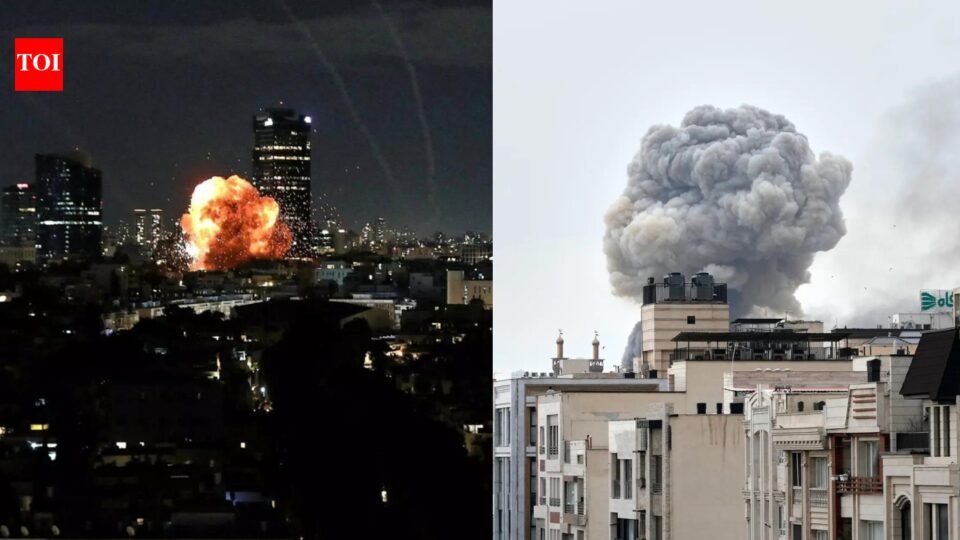
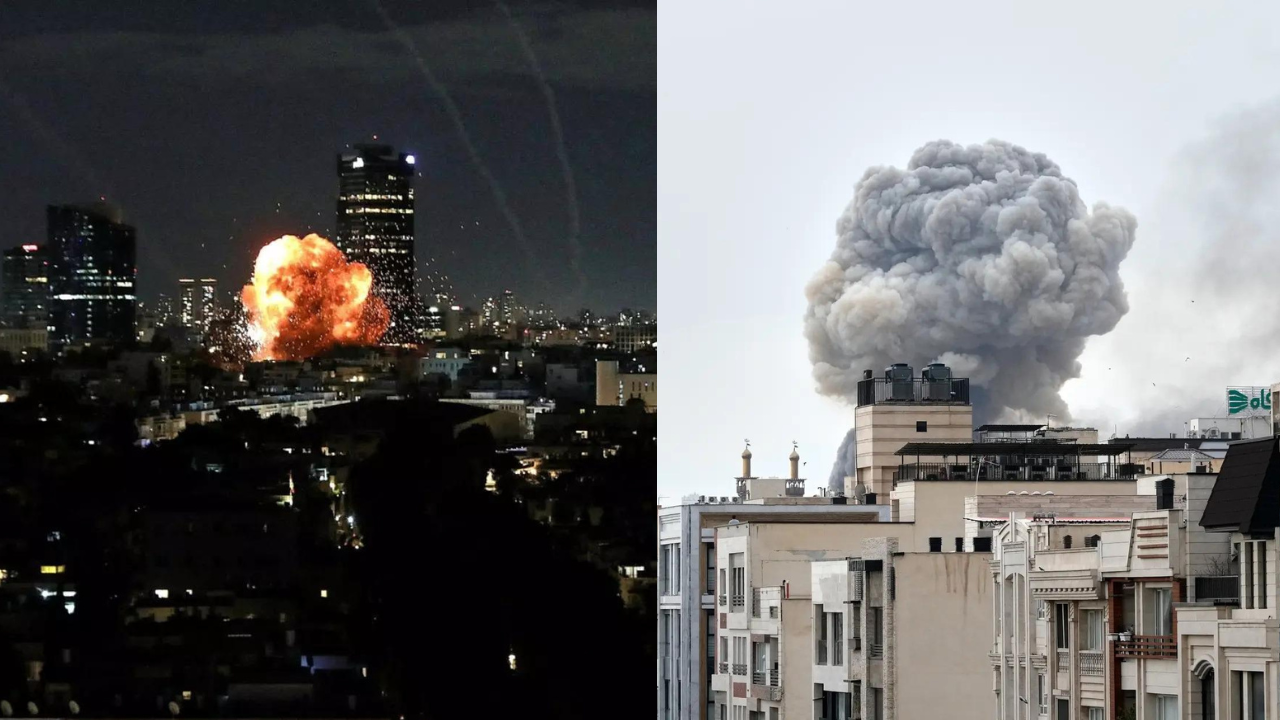
Tehran fired long-range missiles for the first time on Saturday, signaling that its retaliation could extend beyond the Middle East. A strike landed near Israel’s Dimona nuclear reactor, while ballistic missiles targeted the US-British base at Diego Garcia in the Indian Ocean.
Israeli officials said Iran’s missile range covers European capitals, including Berlin, Paris, and Rome. In response, Israel struck Tehran hours after Iranian attacks on southern Israel.
Trump’s shifting messages have left Nato allies uncertain about involvement. While Japan is considering minesweeping support if a ceasefire occurs, most allies remain hesitant to join a war initiated without consultation.
Key points
- Trump threatens to destroy Iranian power plants if the Strait of Hormuz isn’t reopened within 48 hours.
- Iran warns it will target US energy, IT, and desalination infrastructure in retaliation.
- The conflict has killed over 2,000 people and disrupted global energy markets, driving oil and gas prices sharply higher.
- Tehran fired long-range missiles, signaling potential attacks beyond the Middle East.
- Mixed US signals and NATO reluctance leave allies hesitant; Trump faces mounting domestic political pressure.
