


One of the greatest challenges that people face concerning kidney disease is the fact that the ailment is often silent. This means that the body does not immediately give out signals that something is wrong. It is during routine medical checkups that people find out they have a problem with the kidneys. By the time they start showing signs of the disease, the damage is already done.We reached out to Dr Sumiran Mahajan, Consultant Nephrologist, Interventional Nephrology & Transplant Services, KIMS Hospitals, Thane, to know about what really impacts the kidneys. Dr. said, “There are small things that people can do on a day-to-day basis that can have a significant impact on the condition of the kidneys. Eating too much junk food and taking too much salt can put unnecessary pressure on the kidneys. Using painkillers without medical advice can have a long-term effect on the condition of the kidneys. This is especially true for people who have diabetes and hypertension because these two conditions affect the blood vessels that support the kidneys.”
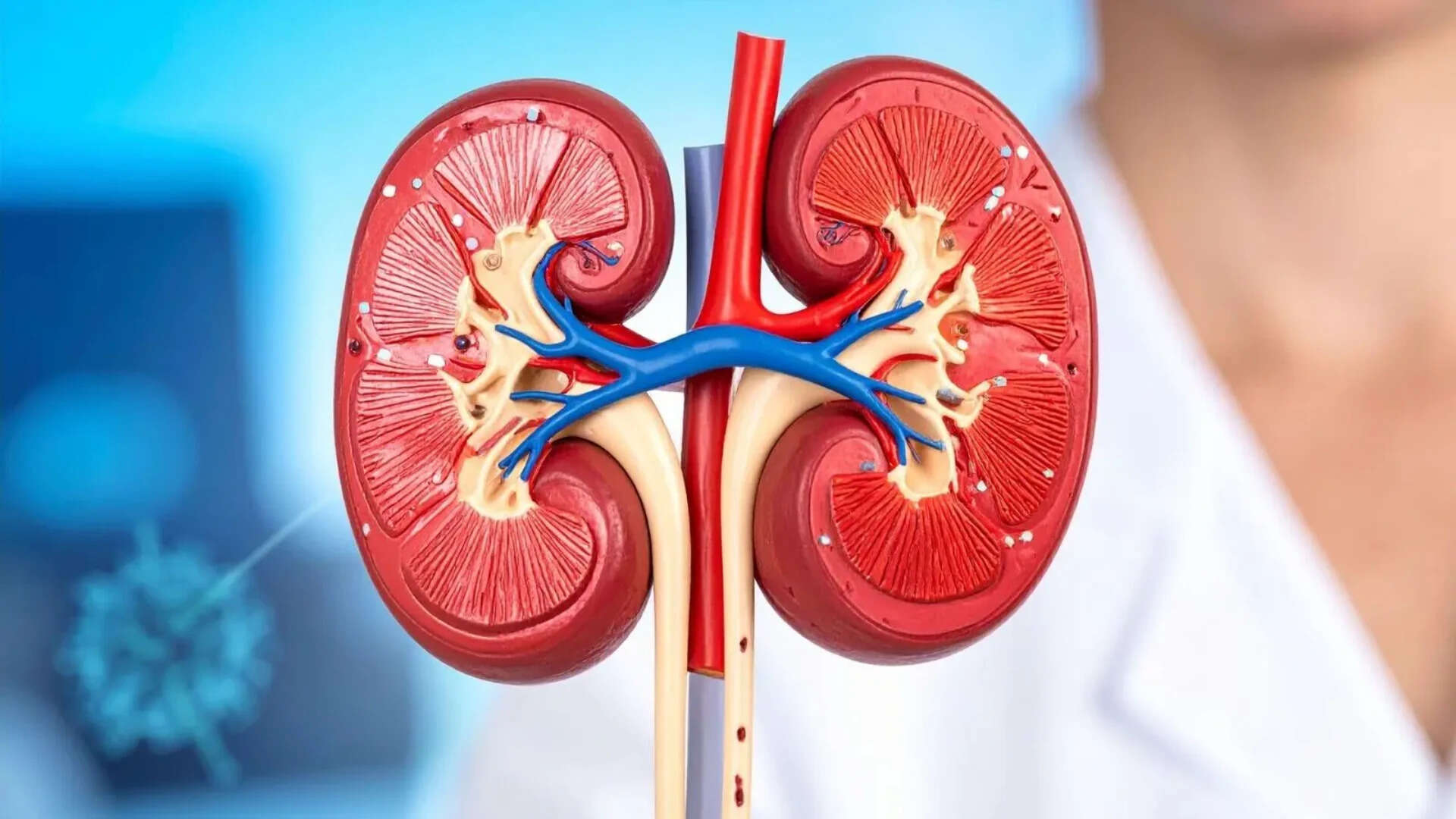
“Kidney health care is more of a preventative measure, and this includes awareness of the condition. In addition, people need to be aware of the fact that kidney disease does not manifest any symptoms at the early stages, and this helps in taking preventative measures,” added the medical professional.
Dr Nikhil Bhasin, Consultant Nephrologist and Renal Transplant Physician, Wockhardt Hospitals, Mumbai Central, explained, “Kidney damage often develops quietly, which is why many people remain unaware of the problem until it becomes serious. These organs are very good at adapting, so even when their function starts declining, the body may not show obvious warning signs in the early stages. People usually begin noticing symptoms only when the damage has already progressed. Mild swelling in the feet, unusual fatigue, frequent urination at night, or loss of appetite can sometimes appear later, but they are often ignored because they seem minor. However, there are certain factors that can trigger silent damage to the kidneys. These include uncontrolled diabetes, hypertension, excessive consumption of painkillers, and a family history of kidney problems. In addition, lifestyle factors such as excessive consumption of salt and lack of water and exercise can also cause damage to the kidneys.”
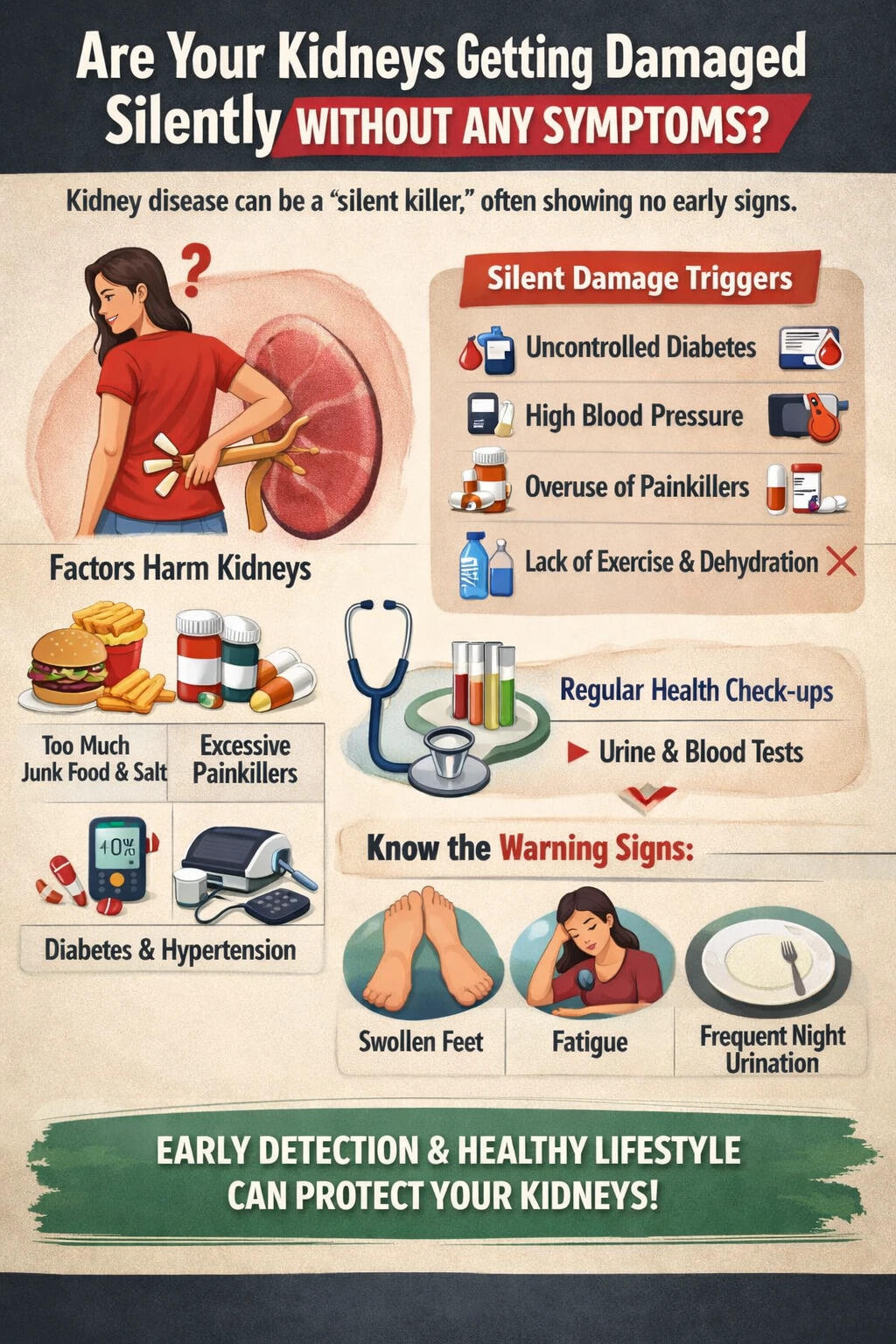
kidney damage without any symptoms.
Health check-ups can also help in the early detection of problems related to the kidneys. Simple urine and blood tests are among the most effective tools for protecting kidney health and detecting problems early. In this way, many problems related to the kidneys can be avoided with the help of early detection, lifestyle changes, and treatment. In addition, monitoring conditions such as blood pressure and blood sugar can also help in the protection of the kidneys.
Poll
Which lifestyle change do you think is most important for kidney health?
Medical experts consultedThis article includes expert inputs shared with TOI Health by:Dr Nikhil Bhasin, Consultant Nephrologist and Renal Transplant Physician, Wockhardt Hospitals, Mumbai Central.Dr Sumiran Mahajan, Consultant Nephrologist, Interventional Nephrology & Transplant Services, KIMS Hospitals, Thane.Inputs were used to explain how kidney damage can develop silently without noticeable symptoms and why early awareness and timely medical consultation are crucial to prevent serious complications.
