
Cooking gas is one of those things people usually notice only when it becomes hard to get. It used to be a readily available commodity until India felt the heat of the US-Iran war, which shortened the supply of LPG due to a chokepoint at the Strait of Hormuz, which is crucial for shipping and the LPG supply to India and the rest of the world.LPG is one of the silent commodities that shapes daily life, from morning tea to full family meals, and it sits at the intersection of convenience, cost, safety, and supply security.
When there is tension in global energy markets, the familiar routine of cooking can suddenly feel less certain, and that is why the LPG-versus-PNG conversation matters now more than ever.India’s kitchen fuel story is built around two main options: liquefied petroleum gas (LPG) and piped natural gas, or PNG. Both are widely used, but they reach homes in very different ways and serve different needs.
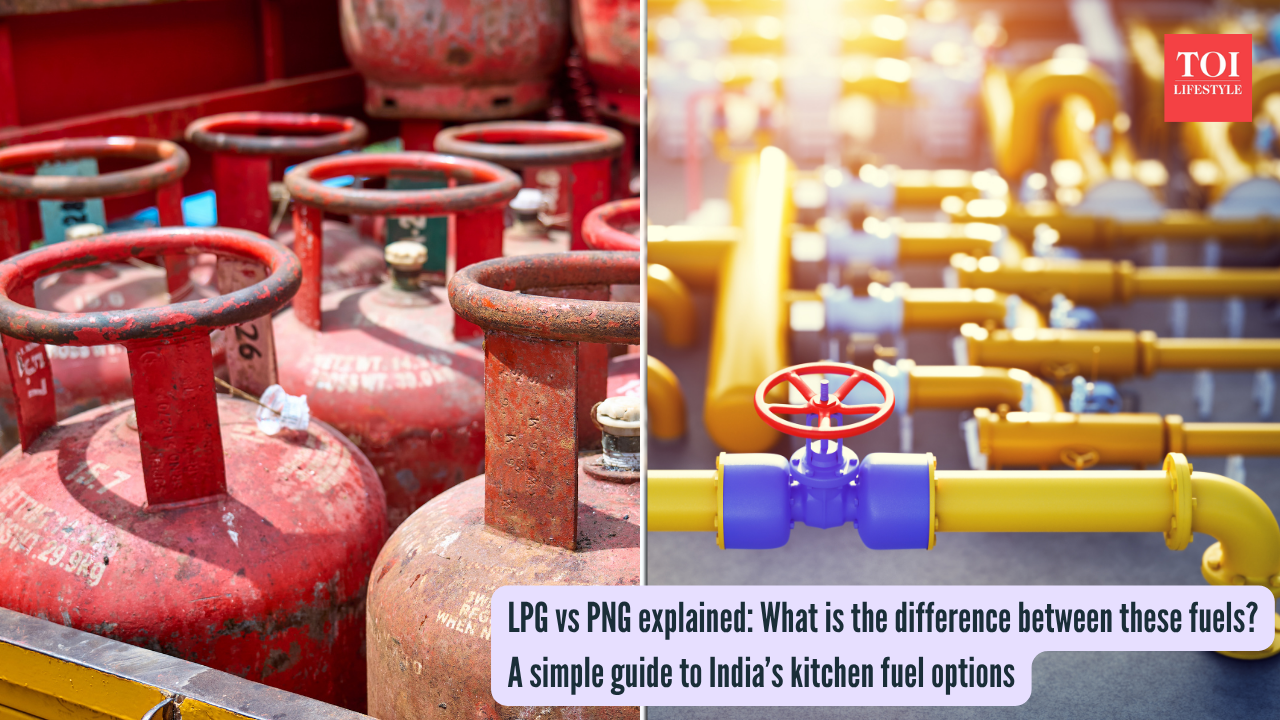
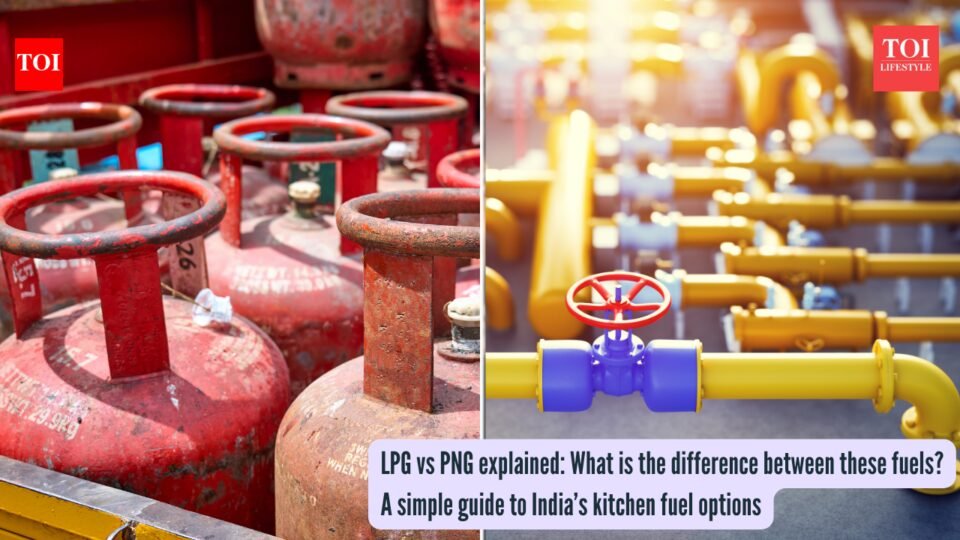
LPG vs PNG explained (Representative image)
So what is the difference between LPG and PNG ?
Difference based on the method of supply
LPG is delivered in cylinders, while PNG flows through pipelines directly into homes, which makes the two systems feel very different in daily use. LPG is filled under pressure in cylinders and needs regular refilling, while PNG is supplied through underground pipelines directly to the kitchen.The gap between the two becomes even more visible when supply chains come under stress. The pressure on LPG was linked to disruptions in West Asia, while PNG users were said to be more insulated because of the pipeline system. Many households and businesses are finding that the supply of piped natural gas (PNG) remains mostly unaffected. That difference matters because cylinders depend on transport, dealer networks, and booking cycles, while PNG keeps flowing as long as the network is working.
One major reason LPG is more vulnerable is India’s import dependence
The country produces some LPG at home, but it still imports a large share of what households use. Data from the Petroleum Planning and Analysis Cell shows India’s LPG consumption was placed at about 31.3 million tonnes in 2024–25, with domestic output at about 12.8 million tonnes.That means imports fill the rest, and much of that supply is tied to Gulf routes that can be affected by conflict or shipping disruptions.
Why does PNG remain largely unaffected?
PNG works differently because it is part of a larger city gas network. It is usually methane-based gas moved through underground pipelines and delivered to homes through a meter.That means households do not need to arrange refills, and billing happens by actual use instead of by the cylinder.
Safety and storage also separate the two fuels
LPG is stored under pressure in cylinders, and because it is heavier than air, leaks can collect near the floor in poorly ventilated rooms. PNG, on the other hand, is lighter than air and disperses upward more quickly if there is a leak. That does not make PNG risk-free, but it does change the nature of the hazard.
