
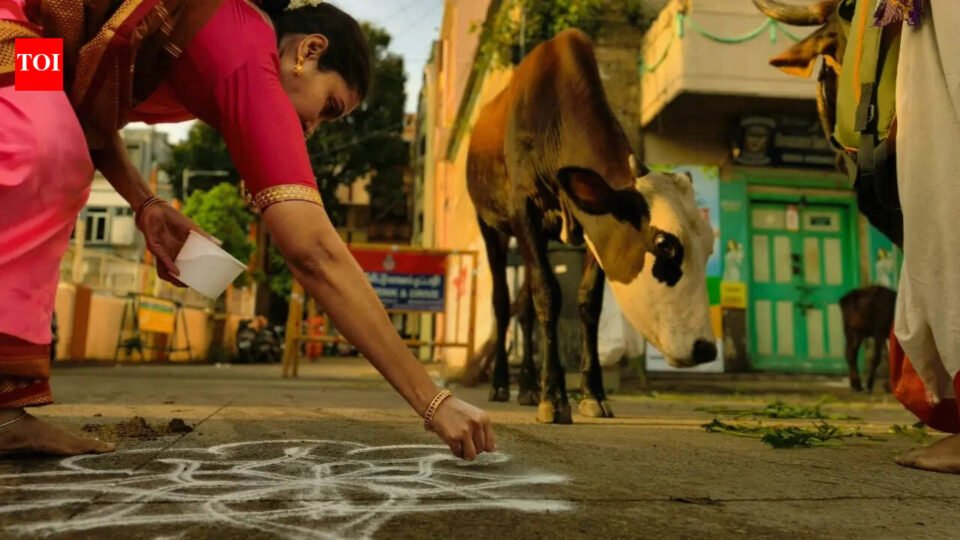
It would be fair to assume that for those visiting India for the first time, their impression is influenced greatly by this visual language, which has become a staple in the depiction of the country’s culture throughout the years. This includes the streets bustling with traffic and cows, bright colors in local markets and during holidays, and the chaotic nature that foreigners see in everything around them. These are true observations, but they fail to paint the full picture.An Instagram post from user @terri_mcclure_phatt sheds some light on the contrast between reality and perception. In her post, Terri says: “Everyone comes to India and takes pictures of the cows. But nobody warns you about this…” It is common for foreigners to experience certain emotions upon seeing photographs of India, including curiosity and sometimes even shock. The contrast between certain situations is enough to draw their attention. But at the same time, this does not imply feelings of sympathy toward the locals – it is admiration instead.
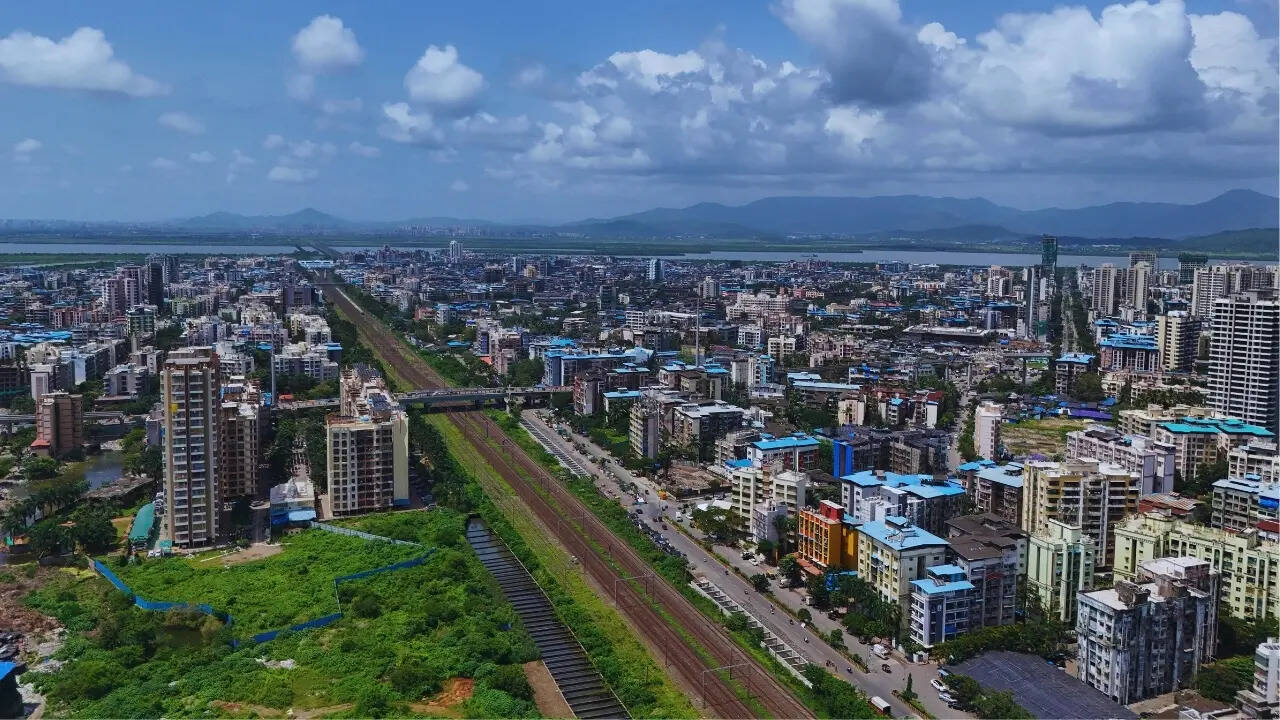
A bustling Indian city
That is because one gets to observe a nation that cannot be easily described by a single story. In the case of India, while portrayals across the globe have for long focused on selective aspects of the country such as poverty and religion, one thing visitors find upon getting to India is that there is a lot more going on.This is because the things visitors anticipate seeing are indeed present. There are cows roaming around the cities. Religion and traditions continue to exist with temples being very active and relevant. Food kiosks sell cheap food along the roadside to support city life. All these happen in their natural course without any sort of staging.However, what surprises visitors is the existence of other phenomena.India today is just as much about its infrastructure, businesses, and growth as anything else. Hotels in large cities and even tourist spots can be considered competitive, at par, or even better than international hotels. Dining restaurants in the cities of Delhi, Mumbai, and Bengaluru have already earned recognition due to their uniqueness in quality and style, offering anything from authentic regional dishes to exquisite fine-dining options.This trend is mirrored in nightlife and social places as well. From bars to cafes, and culture clubs, such places are thriving not only in activity but also in innovation, adapting to new lifestyle changes and developing a vibrant urban middle-class. These places symbolize a larger shift that is occurring in the way Indian cities define themselves today, not simply through their cultural background but their ambition to be something else as well. This sense of movement and progress comes alive quite effectively in the Instagram post. What emerges in it is the idea of India as not being still or “behind” the rest. It is moving ahead at a rapid pace and according to its unique dynamics. This is significant since development in India, at times, cannot necessarily be compared to developmentsFor most observers, this is precisely the aspect that makes their impression so strong. They are used to seeing progress and tradition as mutually exclusive concepts, while India offers a combination that may contradict such preconceptions. Although traditional culture remains alive, economic progress in the form of new industries and technologies keeps shaping the reality.The main message behind this particular Instagram post is to encourage people to rethink the interpretation of what they see. Instead of viewing Indian culture in isolation, the observer should understand that different elements of reality exist simultaneously and cannot be reduced to one or two concepts.Accordingly, India is not a country that may be defined or understood through a specific experience or observation. It represents a complex reality where multiple aspects coexist and interact with one another.
