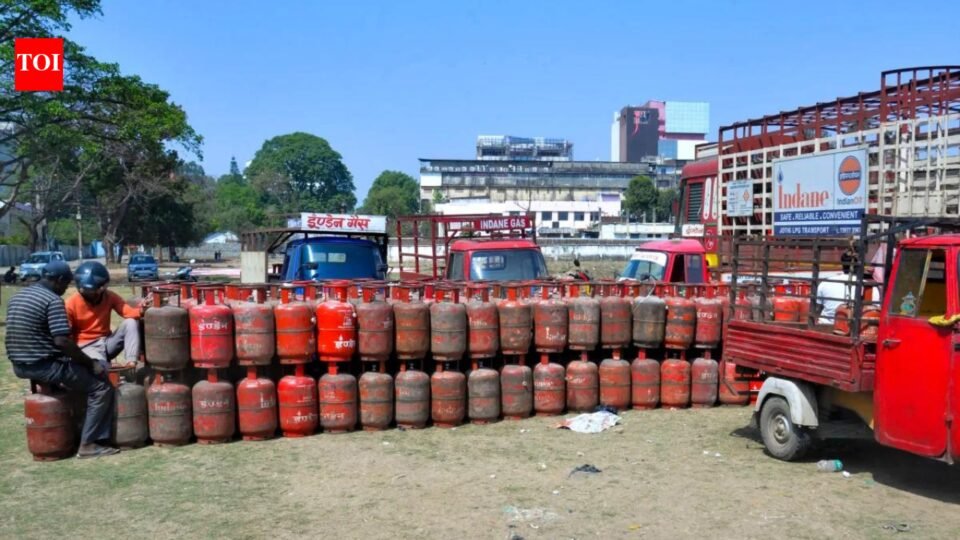
NEW DELHI: The empowered group of officials to deal with the fallout of the West Asia conflict got down to business on Wednesday, and began mapping the demand and supply situation, and also started identifying potential sources to ensure that supply chains are not disrupted.Food and fuel availability are top priority and detailed reports have been sought, including from the states. At the same time, when it comes to fuel, the panel led by petroleum secretary Neeraj Mittal is studying industry consumption trends and comparing it with the availability levels.Products are being identified where there are disruptions and sources are being studied along with measures – including possible duty cuts – in a bid to keep industries going without burdening them and consumers with a significant increase in prices. Chemicals, pharma and petrochemicals have been identified as areas where there is a need to augment supplies.Govt had set up seven empowered groups on Tuesday. For most businesses, gas has been an area of concern, which is sought to be addressed, especially with petroleum minister Hardeep Puri telling an all-party meeting on Wednesday that the curbs on commercial cooking gas cylinders are temporary.While govt has tapped alternate markets, such as Surinam, Guyana, Canada and the US to get LNG, getting LPG (cookig gas) has been more challenging as India relied on imports to meet 60% of its demand with 90% of the quantities coming from West Asia.Although govt is working to get supplies from other countries, there will be a lag in organising the required quantities of fuel. For instance, it takes around 11 days from ships to deliver goods from the Gulf region and 36-37 days from Russia. From the US and Canada, the sail time can be 40-45 days. Supplies are expected to normalise once oil companies align production with the new cycle.For the moment, they are focusing on tapping as many sources as possible. Over the last few years, starting 2023, India had stepped up purchases from Russia, which was a source for around 1.5% of the crude around four years ago. After acquiring more than 30% share, they accounted for nearly 20% of the pie in Feb. With sanctions on Rosneft and Lukoil lifted, Russian oil share is expected to move up again, with some quantities from Iran also adding to the supply.
