
What’s it really like to be a… personal trainer? Luke Worthington, who specialises in physical preparation for TV and film work, answers the Money blog’s questions.
You can earn six figures… At entry level, earnings sit around £25,000-£35,000, particularly in commercial gyms. Early on, the hours can be unsociable, you’re working when other people are free, so that usually means early mornings, evenings and weekends. Experience and a demonstrable track record make a significant difference. Once someone has built that depth of skill and a strong track record, £60,000-£80,000 is very realistic. At the higher end, particularly in London, and especially for trainers with substantial expertise or a clear specialist niche, earnings are to a certain extent unlimited – six figures is a reasonable expectation. I specialise in physical preparation for film and television, so training actors for their on-screen roles, which sits toward that upper end of the profession. But for context, I have been in the industry for over 25 years and with more than 30,000 hours of hands-on experience.
Being self-employed gives you autonomy, but… you are running a business. You’re not just delivering sessions, you’re also the sales and marketing team, the IT department, the finance department and the secretary.
My first job in the industry was… at a local authority leisure centre, cleaning treadmills and setting up badminton courts. I moved into personal training while studying sport science, and postgraduate studies in biomechanics.
Find latest tips and personal finance news in the Money blog
I typically deliver around 15 to 20 hours of face-to-face sessions each week… But that’s only part of the job. Each of those sessions requires prior planning and programming, and in my niche there will also often be coordination with directors, producers, medical teams, hair and makeup departments and stunt coordinators.
People copy elaborate movements from social media without really understanding them… or the intention behind them, or the risk. Most exercises aren’t inherently good or bad – they’re either appropriate for someone’s current level of strength, mobility and experience, or they’re not.
If I had to choose one mode of exercise with the biggest bang for your buck and long-term return, it would be… structured, progressive resistance training. It’s the most effective way to improve body composition by preserving or increasing lean tissue while reducing body fat. It improves strength, supports joint mobility, improves bone density, helps prevent injury, and has positive effects on metabolic and hormonal health.
If weight-loss jabs were described more plainly as appetite-suppressant jabs… which is how they actually work, I think people would understand them more clearly and perhaps approach them with more caution. They absolutely have a place for people dealing with obesity at levels that are affecting their health. Where I’m more cautious is when they’re used purely for aesthetic reasons. We don’t yet have long-term data.
The simplest change people can make to lose weight is… to first understand the difference between weight loss and fat loss – most people who talk about wanting to lose weight really mean they want to lose fat. Simply eating less will reduce body weight but not necessarily fat – that weight loss often also comes from lean tissue and bone. If the goal is to improve health and body composition, preserving lean tissue is critical. The simplest shift is to prioritise protein intake and incorporate resistance training.
Sleep is the other overlooked factor… Poor sleep disrupts appetite regulation, increases cravings and makes adherence much harder.

A simple structure that works well is… Two to three resistance training sessions per week, focusing on full-body compound (multi-joint) movements: pushing, pulling, squatting, lunging, and hinging. Alongside that, two sessions of low-intensity cardio. The type of cardio matters far less than the intensity. A brisk walk, steady cycling or swimming all work. A good guide for keeping it low intensity is you should be able to just about maintain a conversation. Outside of structured training, increasing daily movement makes a big difference. Around 7,500 steps per day seems to be the sweet spot for daily step count. It doesn’t need to be complicated. Strength a few times per week, steady cardio, and consistent daily movement will cover most bases.
Read more from this series:
Marine biologist on one thing you can do to save planet
‘I can lend someone £100,000 in an hour’: Life of a pawnbroker
‘I’m a nanny – this is what society gets wrong about raising children’
When it comes to supplements, creatine has one of the strongest evidence bases for improving physical performance… and an increasing body of evidence supporting mood and mental health. Vitamin D is worth considering in the UK, particularly during the winter months. Omega-3 can be helpful if someone isn’t eating oily fish regularly. And protein powder isn’t essential, but it’s a convenient way to increase protein intake without adding significant additional calories if that is proving difficult through whole foods alone. Beyond that, supplements should be specific to the individual and the context.
One fitness myth I wish people would forget about is… The idea that certain types of exercise can make you long and lean. Nothing can make you physically longer. Your limb length and bone structure are fixed. What people are usually aiming for is a reduction in body fat and an improvement in posture. Both of which are most effectively achieved through structured progressive resistance training and careful consideration of diet.
To make sure you’re not getting ripped off by your personal trainer… look for a demonstrable track record of helping people like you achieve the things you want to achieve. Don’t be afraid to ask for testimonials or case studies that reflect your goals and your circumstances. Qualifications matter, but they’re only the starting point.
Be cautious of trainers who operate exclusively online… without having built a solid foundation working with people in real life. And there should always be some form of assessment process.
The price you should expect to pay per session… varies significantly depending on location, experience and specialism.
In commercial gyms outside London, rates might start at around £40 per session. In central London, experienced trainers with a clear niche or specialist expertise can charge anywhere between £150 and £200 per session.
AI can generate generic workout plans, but… it can’t truly evaluate a human being. It can’t assess biomechanics or anthropometry in person. It can’t interpret subtle movement compensations, changes in posture or fatigue. It can’t pick up on shifts in someone’s physical, mental or emotional state and adjust accordingly. It can’t adapt a session intelligently when equipment, timing or recovery constraints change.
Most people in the gym are far more focused on their own workout than on anyone else’s… The spotlight effect – the feeling that everyone is watching you – is usually exaggerated in our own minds. Everyone in that gym was a beginner once, even the most experienced lifters. They remember what that felt like.
I would introduce clearer, standardised qualification levels and make personal trainer a protected title… similar to professions like physiotherapist or dietitian. The industry has improved significantly, but consistency across providers would strengthen public trust.
Health and fitness education should be made part of the national curriculum… Basic movement literacy and movement hygiene should be as normal as brushing your teeth. If we make accurate, practical information accessible early on, we improve health outcomes, increase longevity and reduce long term healthcare burdens.

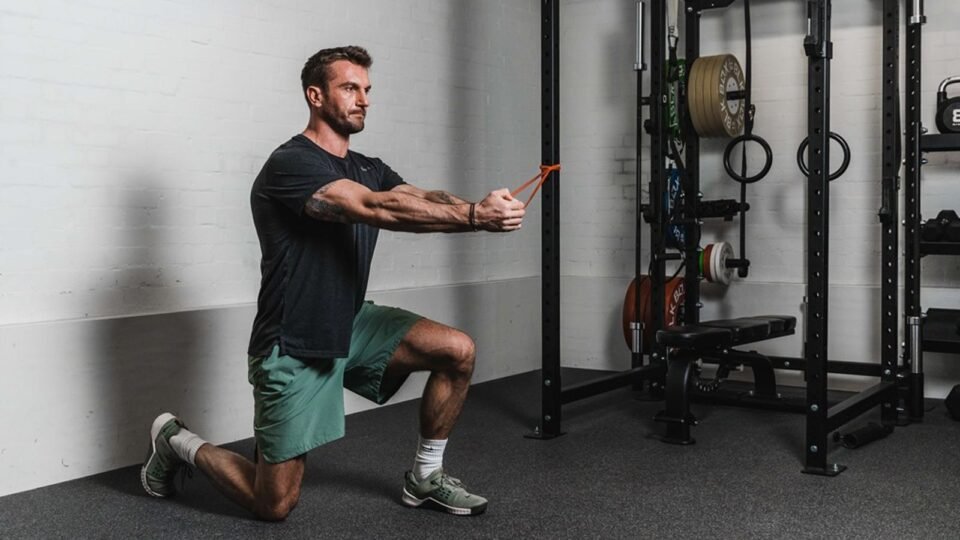
Luke Worthington says personal trainers can earn six-figure salaries
Large-scale physical transformations are possible… I’ve worked on some very dramatic ones for film – but context matters. In those cases, preparation is often the client’s full-time occupation for a period of time. Training, nutrition, recovery and scheduling are all tightly managed.
My fitness philosophy is… There are two things an exercise plan should provide: success and progress. Everybody can do something – the plan should be to start there and then find ways to take it forwards.
One thing I have learnt in my job is… Most people are capable of far more than they think. Given structure and support, people consistently exceed their own expectations and seeing that happen never gets old, even after 27 years in the industry.
