
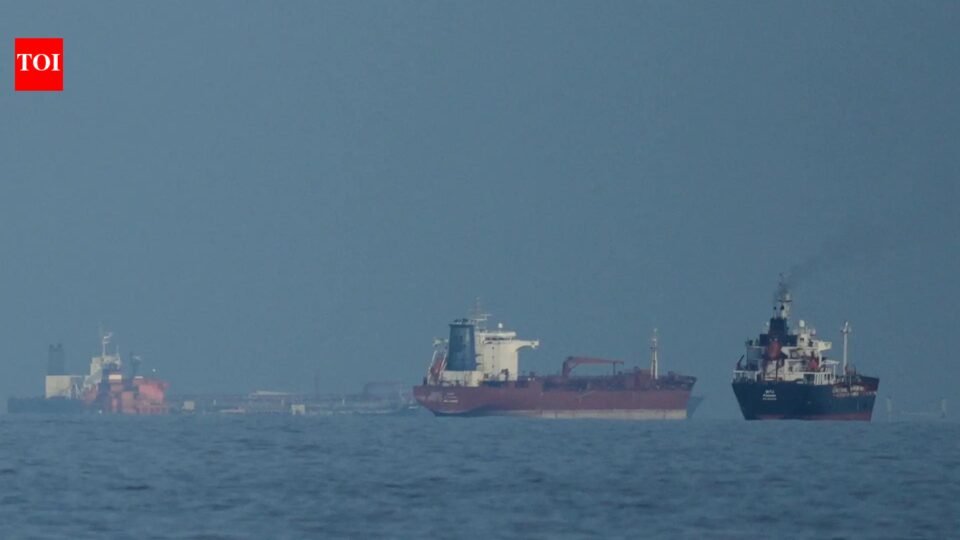
The United States has formally begun enforcing a naval blockade targeting Iranian ports and shipping routes in the Strait of Hormuz. Announcing the move, US President Donald Trump said American forces would “blockade any and all ships” attempting to enter or leave Iranian-controlled waters.The blockade came into effect on Monday, with US Central Command confirming that vessels linked to Iranian ports would be subject to interception, search, and possible diversion. While ships travelling between non-Iranian destinations are technically allowed to pass, the heavy military presence has already disrupted movement through the narrow corridor, with some tankers turning back soon after the operation began.
A blockade built on naval muscle
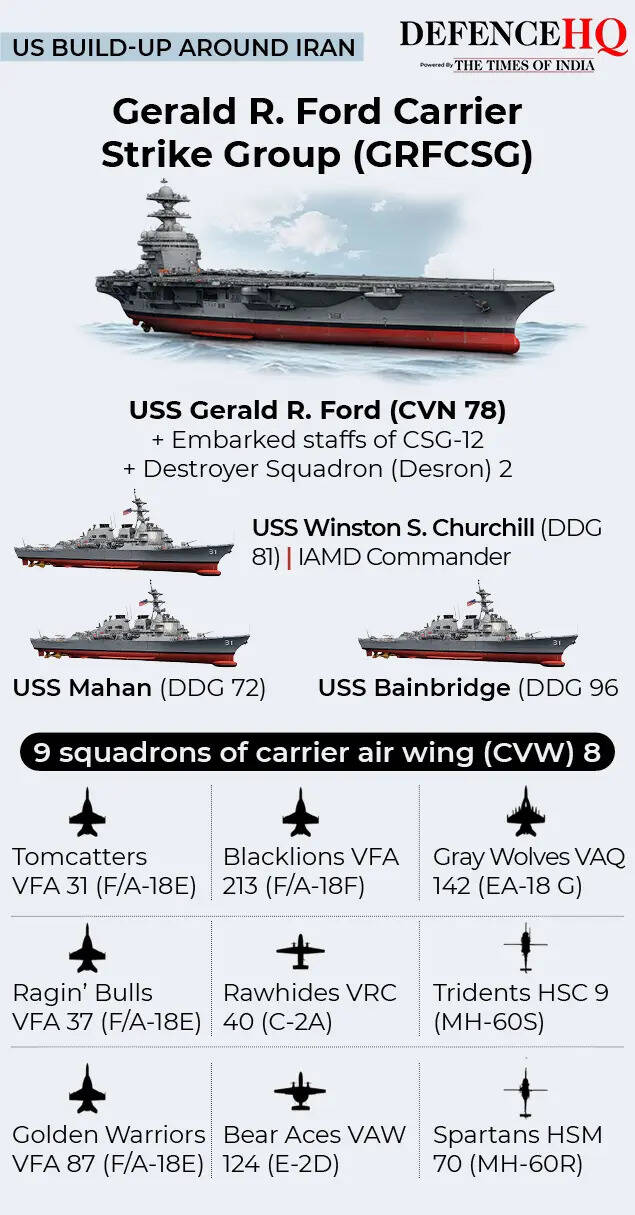
The US Navy has assembled a formidable maritime presence in the region, with at least 15 warships deployed under Central Command. These include the aircraft carrier USS Abraham Lincoln and a fleet of guided-missile destroyers, many of them from the Arleigh Burke-class — widely considered the backbone of American surface naval power.
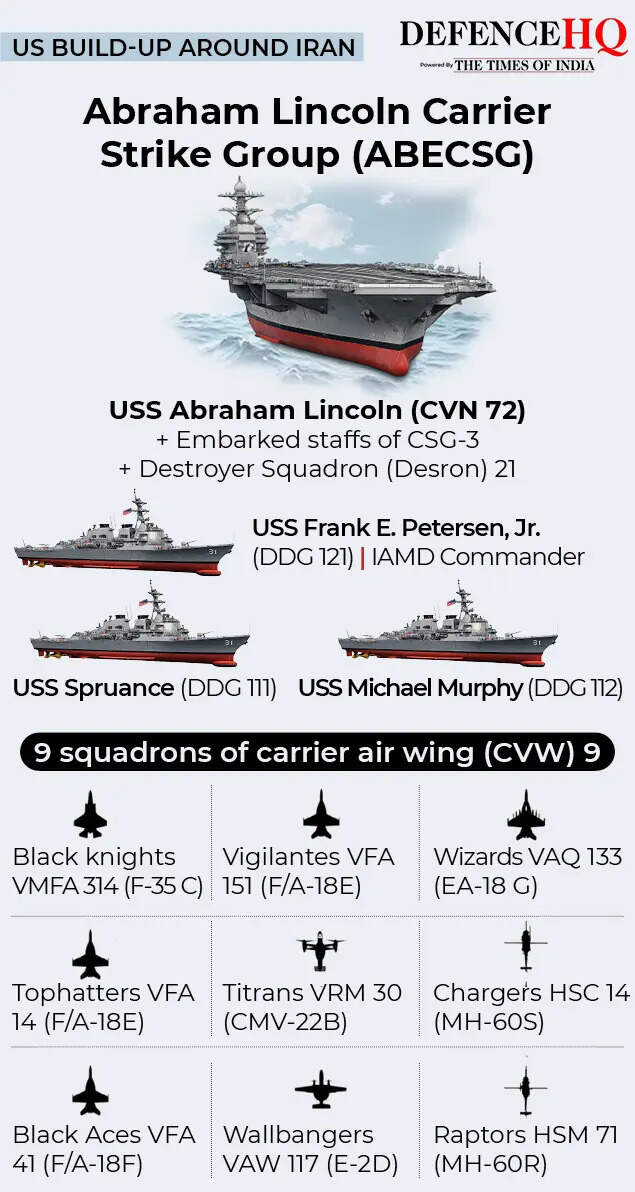
These destroyers are expected to play a central role in enforcing the blockade. Designed for versatility, they combine speed, stealth, and firepower, carrying advanced missile systems capable of engaging threats from air, sea, and below the surface. Their mission in the Strait of Hormuz is expected to include intercepting vessels, conducting inspections, and deterring Iranian retaliation.US officials have indicated that the blockade will target ships entering or leaving Iranian ports, while allowing transit between non-Iranian destinations. In practice, this means vessels could be stopped, searched, and either cleared or turned back .
Not that easy
However, enforcing such a blockade is far from straightforward. The US fleet remains dispersed across a vast operational theatre, and repositioning assets into the narrow confines of the strait presents logistical challenges. Warships may need to transit through the Suez Canal or sail around Africa, complicating rapid deployment.The main challenge is the sheer scale of commercial shipping through the Strait of Hormuz, a chokepoint through which roughly 20% of global oil trade flows in peacetime. According to defence analyst Sidharth Kaushal of the Royal United Services Institute, enforcing any blockade would require a substantial naval presence. Much would depend on the opening phase—how many vessels are intercepted and whether others are deterred from attempting to breach the cordon.Legal experts also note significant constraints. Todd Huntley of Georgetown University while speaking to news agency AP, argued that any blockade must be impartial, properly announced to mariners, and cannot lawfully aim to starve civilians. Allowing humanitarian shipments may also be required under international law.While merchant ships would likely comply when faced with US warships, experts say blockades are rarely decisive on their own. They can disrupt trade and increase costs but not fully isolate Iran economically, especially given its links to China, Russia and regional routes.There is also risk of escalation, including Iranian use of mines, fast attack craft and missiles, which could further destabilise global shipping.
Pressure tactics and economic stakes
The blockade is as much an economic weapon as it is a military one. By restricting Iran’s ability to export oil, Washington hopes to squeeze Tehran’s primary revenue stream and force concessions, particularly on its nuclear programme. Trump has repeatedly insisted that “Iran will not have a nuclear weapon,” signalling that the blockade is intended to push Tehran back to the negotiating table.Analysts suggest the strategy could undermine Iran’s long-term ability to sustain the conflict. Yet the risks are significant. Iran has already demonstrated its capacity to disrupt shipping using mines, drones, and missile strikes, and has warned that no port in the region would be safe if tensions escalate further.The impact is already visible in global markets. Oil prices have surged amid the uncertainty, with shipping volumes through the strait dropping sharply. Before the conflict, roughly 150 vessels passed through daily; now, traffic has slowed to a fraction of that, with many operators unwilling to risk transit.Despite Washington’s assurances that freedom of navigation will be preserved for non-Iranian trade, doubts remain over how effectively the blockade can be enforced, and whether it might backfire. Shipping companies have pointed to tactics such as AIS spoofing, where vessels disguise their identities, making enforcement even more complex.Iran, for its part, has responded with defiance. Officials have dismissed the blockade as provocative, warning that any escalation would be met in kind.
