
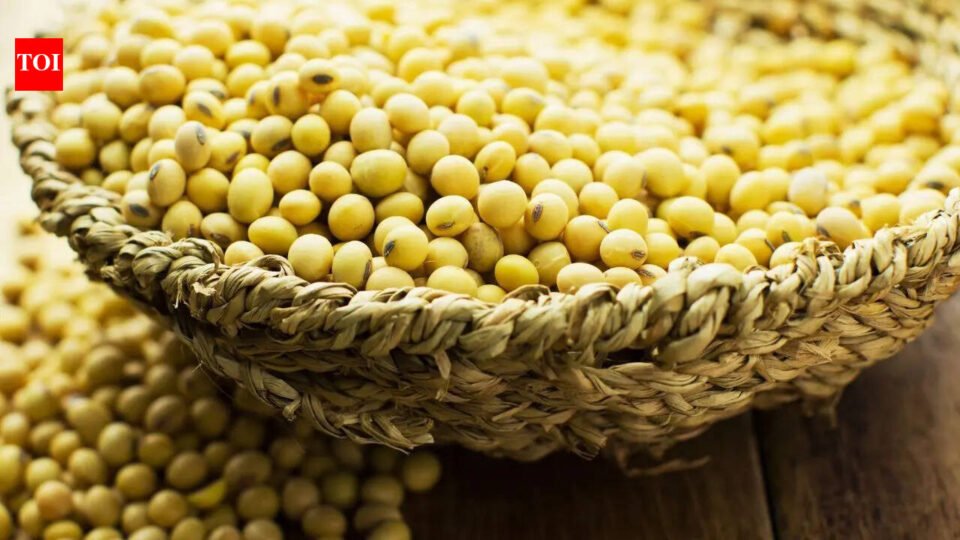
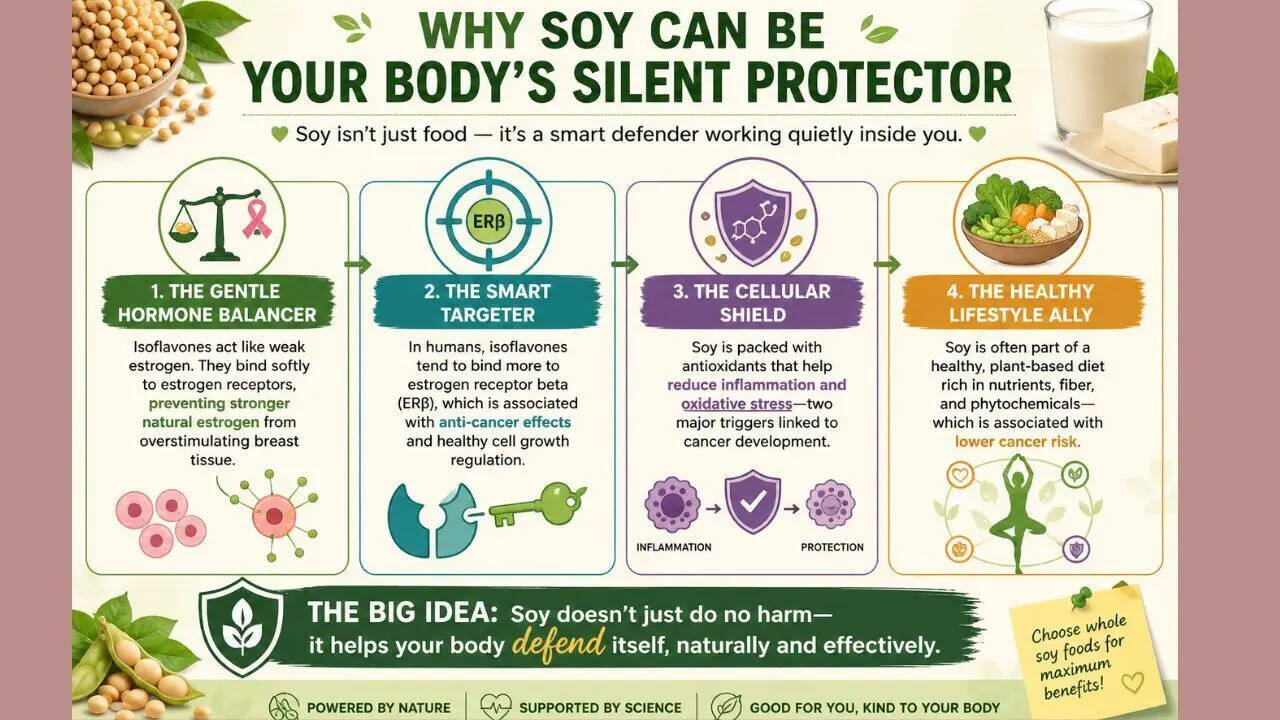
For years, soy-based foods such as tofu, soy milk, and edamame have been at the center of a heated health debate—particularly regarding their potential link to breast cancer in women. In fact in several Asian countries, including India, soy forms an essential part of daily diet. But of late there has been a lot of confusion regarding its link with breast cancer. This concern has mainly originated from the fact that soyabean has the presence of compounds known as isoflavones. They are often referred to as “plant estrogens.” Because estrogen plays a role in the development of certain types of breast cancer, many people assume that consuming soy may increase risk. However, modern scientific research tells a very different story.Understanding soy and isoflavonesThe isoflavones present in soyabeans, are a class of phytoestrogens, which means they are plant-derived compounds that have a chemical structure similar to human estrogen. Because of this similarity, they are able to bind to estrogen receptors in the body. However, their action is significantly weaker than natural estrogen. In fact, isoflavones may act as selective estrogen receptor modulators, meaning they can either mimic or block estrogen depending on the context. This dual behavior is key to understanding why soy does not increase cancer risk. Instead of overstimulating estrogen activity, isoflavones may actually reduce the overall estrogenic effect in certain tissues, including breast tissue.According to Dr Latha Sashi, Chief Nutritionist & Head, Department of Clinical Nutrition & Dietetics, Fernandez Hospital, “Soybeans are a concentrated combination of high-quality protein and oil in a single seed compared to any other beans/legumes- so needs to be used in appropriate portions. Some studies found that with higher soy and isoflavone intake the risk of cancer decreased as intake increased. It enhanced antioxidant activity and reduced inflammatory signalling. Soy isoflavones reduced the risk of breast cancer recurrence in post-menopausal survivors by 26%, with the greatest effect seen at around 60 mg of isoflavones per day that is roughly two to three servings of soy foods. Soy isoflavones bind weakly to estrogen receptors and can help prevent bone loss by stimulating bone cell proliferation – a property relevant to osteoporosis prevention in post-menopausal women. Across large population studies especially from countries like Japan and China where soy is a regular part of daily meals, there is no evidence that soy increases the risk of breast cancer. In fact, some studies suggest that women who consume moderate amounts of whole soy foods may have a slightly lower risk.”
What does research say:According to the Mayo Clinic, eating soy foods “will not raise a person’s risk of breast cancer.” In fact, population-based research suggests that soy consumption may even lower the risk. As per the American Cancer Society, ” A l;arge body of evidence supports the safety of soy foods,” with studies showing either no change or a decreased risk of cancer among those who consume soy regularly. Meta-analyses—studies that combine results from multiple research papers—offer some of the strongest scientific evidence available. A research published in National Library of Medicine analyzed multiple prospective studies and found something that was quite contradictory! It found that a higher soy isoflavone intake was associated with a reduced risk of breast cancer incidence. Another large meta-analysis highlighted by Johns Hopkins Medicine found that compounds derived from soy may help reduce breast cancer recurrence and improve survival rates among patients.
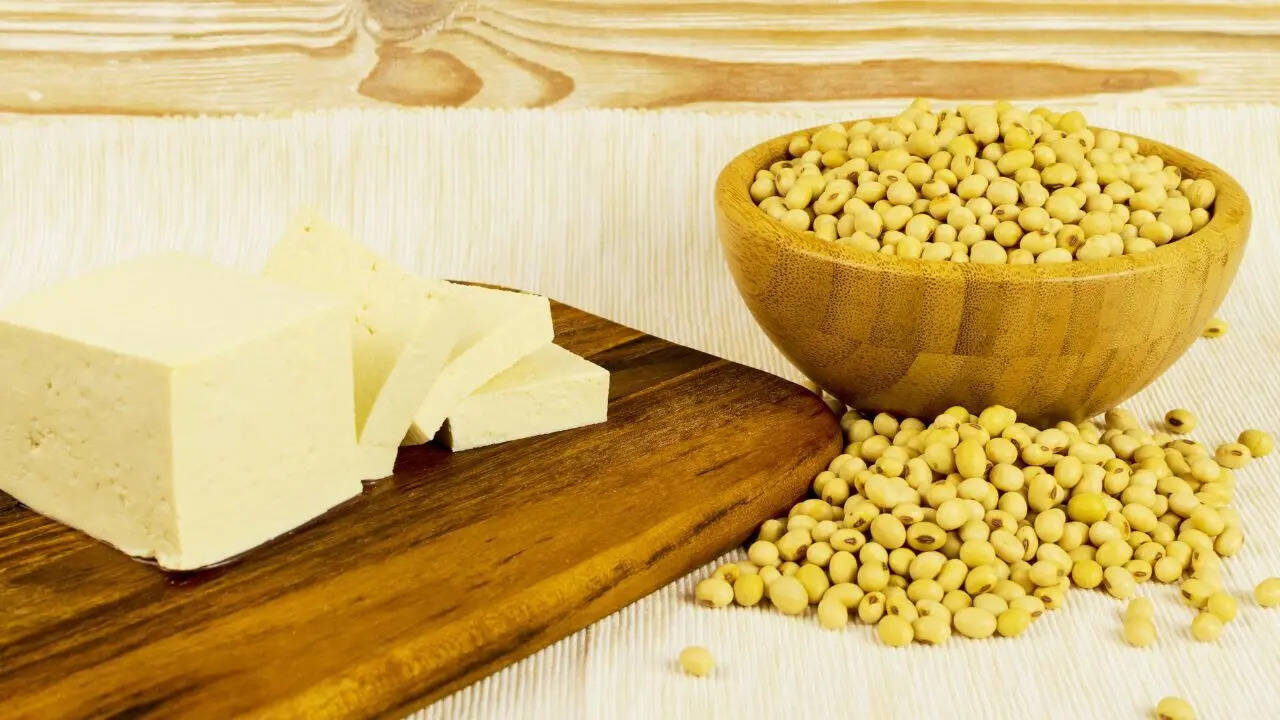
“A lot of early concerns were based on animal studies or very high doses of isolated soy compounds far more than what anyone would consume through food. But real-life diets are different. A bowl of soybeans, a glass of soy milk, or a serving of tofu doesn’t deliver those extreme concentrations. What matters is the form and the amount.Soy-based foods like tofu, tempeh, edamame, and soy milk are generally considered safe and come with added benefits such as protein, fibre, and essential nutrients. However, highly processed supplements or concentrated extracts routinely recommended, especially without medical guidance.” says Dr Latha Sashi.Soy consumption after being diagnosed with breast cancer A lot of women also want to know if soy is safe for women who have breast cancer and are getting treatment. Does it make the cancer more likely to come back? Earlier worries said that soy might interfere with hormone therapies, but new research doesn’t back that up. In fact, experts at the Mayo Clinic say that eating soy after being diagnosed can be good for you and may even help your health. Similarly, observational studies indicate that women who consume soy regularly after diagnosis may have lower recurrence rates and improved survival. However, most experts recommend focusing on whole soy foods rather than high-dose supplements, as the latter have not been studied as extensively.
