
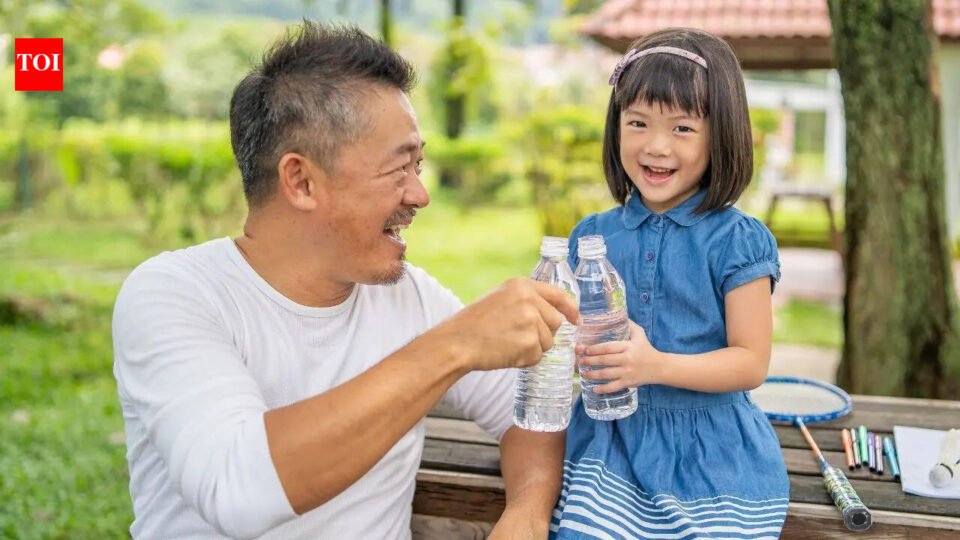

Keeping children properly hydrated is essential for their overall health and daily functioning. While it may sound simple to just offer water, the reality is that children often do not recognise when they are thirsty. They may become distracted with play, school, or activities and forget to drink enough fluids. Experts, including those from the American Academy of Paediatrics (AAP), recommend that water be the primary drink for children, especially in warm weather. The exact amount of water a child needs can vary based on age, body size, physical activity, and environmental conditions. Understanding these needs can help parents ensure their children stay well hydrated throughout the day.
Hydration tips for parents : How much water should children drink by age
Children require different amounts of water depending on their age group. According to the American Academy of Pediatrics (AAP), children aged:
- 5 to 8 years – drink between 16 and 40 fluid ounces of water per day.
- Children aged 9 to 13 years typically need between 22 and 61 fluid ounces daily
- Teenagers aged 14 to 18 years may require between 29 and 88 fluid ounces each day.
These ranges may seem wide, but they reflect differences in lifestyle and physical activity. A child who spends time outdoors or participates in sports will naturally need more water than one who is less active. In addition to age-based guidance, some experts suggest a simple rule for younger children: they should drink the number of 8-ounce cups of water equal to their age.
Practical tips for parents to encourage children to drink water
- Encouraging children to drink enough water requires consistency and routine.
- Offering water with every meal and snack can help build a regular habit.
- Keeping a water bottle within easy reach during school, playtime, or travel also increases the likelihood that children will drink more frequently.
- Parents can make water more appealing by adding natural flavours such as slices of lemon, cucumber, or berries.
- Providing colourful or personalised water bottles may also motivate younger children to drink more.
- Serving chilled water during warm weather can further encourage regular intake.
Additional parenting tips for better hydration for children
- Establishing a daily routine is one of the most effective ways to ensure children stay hydrated. Parents should encourage children to drink water at regular intervals, such as after waking up, during meals, and after physical activity. This approach helps maintain consistent hydration levels throughout the day.
- It is also important to monitor children during periods of illness. Conditions such as fever, vomiting, or diarrhoea can increase fluid loss. In such cases, offering small and frequent sips of water can help maintain hydration without overwhelming the child.
- Parents should also lead by example. When children see adults regularly drinking water, they are more likely to adopt the same habit. Creating a home environment where water is the default drink can make a lasting difference.
Why is proper hydration important
Water is essential for ensuring a child’s good health. Water assists in regulating the temperature of the body, especially when the body engages in exercise or is subjected to higher temperatures. Sweating results in the loss of some water from the body; thus, adequate hydration becomes necessary to ensure proper functioning of the body. Water assists in promoting digestion. Proper hydration promotes normal bowel movement and prevents problems such as constipation. Adequate consumption of water assists in preventing the occurrence of urinary tract infections. Moreover, water promotes a clear mind and boosts a person’s energy levels.
Recognising signs of dehydration
Parents need to recognise the signs of dehydration in children. Common indicators include dry lips, a sticky mouth, dark-coloured urine, and infrequent urination. Children may also feel tired, dizzy, or irritable when they are not properly hydrated. In younger children, dehydration may present as unusual sleepiness or reduced activity levels. In babies, warning signs include fewer wet nappies, lack of tears when crying, and a sunken soft spot on the head. Early recognition of these symptoms can help prevent more serious health issues.
Healthy drinks for children : What to choose and what to limit
Despite the fact that water should be considered the main fluid intake resource, one still needs to mention milk, which is an integral part of the diet because of its rich content in calcium and vitamin D required for bone development. According to AAP, the daily intake of milk can reach 20 fluid ounces among children from 5 to 8 years old and 24 fluid ounces for older children and adolescents.It is better to limit oneself to the consumption of juices; however, they should only be those that contain 100% fruit. Although juices include a sufficient amount of vitamins, they also contain plenty of natural sugars. It is best not to drink other beverages like soda pop, flavoured drinks, and energy drinks since they may negatively affect nutrition as well as proper hydration.
