OpenAI’s chief revenue officer Denise Dresser sent a four-page internal memo to employees on Sunday that, while diplomatically worded, made the company’s direction clear—Amazon is the growth engine now, and Microsoft has been holding them back. “Our Microsoft partnership has been foundational to our success. But it has also limited our ability to meet enterprises where they are—for many that’s Bedrock,” Dresser wrote in the memo, first reported by CNBC.That’s about as close as a corporate memo gets to saying: we’ve outgrown you.
Amazon deal draws ‘staggering’ inbound demand from enterprise clients
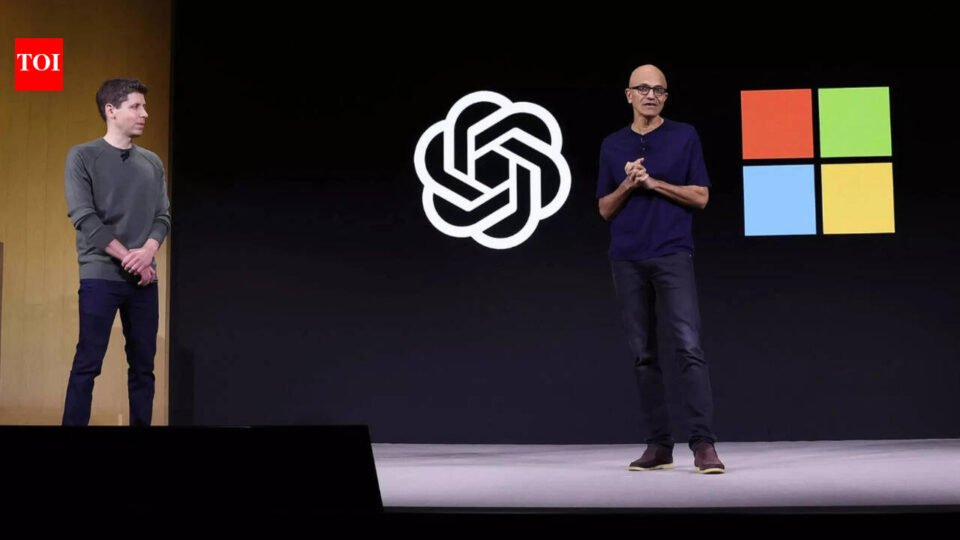
Amazon announced plans to invest $50 billion in OpenAI as part of a strategic partnership in late February, with AWS serving as the exclusive third-party cloud distribution provider for OpenAI’s Frontier enterprise platform. Since then, Dresser says the response has been overwhelming. “Since we announced the partnership at the end of February, inbound demand from our customers for this offering has been frankly staggering,” she wrote.The memo, also viewed by The Verge, frames the Amazon tie-up not just as a distribution win but as a product upgrade. The Amazon Stateful Runtime Environment—a jointly developed system that gives AI agents memory, context, and continuity—lowers adoption friction for AWS-native customers and strengthens OpenAI’s position with regulated and security-sensitive buyers.Meanwhile, Microsoft moved swiftly to assert that nothing had changed. In a statement published the same day as the Amazon announcement, Microsoft said it retains its exclusive license to OpenAI’s IP and remains the exclusive cloud provider for stateless OpenAI APIs—insisting any API calls from the Amazon partnership would still run on Azure. But the Financial Times reported that Microsoft was weighing legal action, with one person close to the company saying bluntly: “We know our contract. We will sue them if they breach it.”
OpenAI positions itself as the enterprise platform, not just a model provider
The broader thrust of the memo is about locking in enterprise customers before rivals do. “Multi-product adoption makes us harder to replace,” Dresser wrote, urging employees to stop thinking in separate product lines and instead operate as “a platform company with multiple entry points and one integrated enterprise offering.”OpenAI currently generates $2 billion in monthly revenue, with enterprise now accounting for over 40% of that figure—on track to reach parity with its consumer business by end of year. The stakes are high: both OpenAI and Anthropic are reportedly eyeing IPOs this year, making the enterprise battle as much about investor narrative as market share.
