


“Put your shoes on”, “Brush your teeth”, “Get dressed, now, please” – if any of these phrases sound like a daily script in your house, you are far from alone. For many parents, everyday routines can quickly become a cycle of reminders, resistance and frustration, with even the simplest tasks turning into a standoff but according to experts, there is one straightforward technique that can change the dynamic almost instantly: the “two options” hack.
What is the ‘two options’ parenting hack?
The idea is simple. Rather than giving a child a direct instruction, you offer them two choices, both of which lead to the outcome you actually want.In an interview with the Times of India, David Smith, CEO of Las Vegas-based Silicon Valley High School, an innovative and tech-driven online institution dedicated to transforming education through AI-powered learning, shared, “Instead of telling a child what to do, you’re inviting them to make a decision. The choices you give them both work for you, but to the child, it feels like they’re the one calling the shots.”In practice, it sounds something like this:
- “Do you want to brush your teeth before or after your pyjamas?”
- “Are you wearing the blue jumper or the red one today?”
- “Do you want to tidy your toys now or in five minutes?”
In every case, the end result is the same: teeth get brushed, clothes go on and toys get tidied. However, the child gets to feel like they made the choice themselves.

The simple parenting trick that puts children in the driving seat and stops the morning battles
According to a recent 2026 study published in Frontiers in Psychology, “Frequent opportunities to make small, guided decisions in daily routines are associated with higher confidence, adaptive behaviour and long-term independence in children.” It supports the claim that small choices (like clothes, routines) build long-term independence, reinforces why the hack works beyond immediate cooperation and connects daily parenting strategies to future confidence and autonomy.
Why the ‘two options’ parenting hack works
Children naturally want independence. From a young age, they are testing boundaries and figuring out where they fit in the world. When they are constantly told what to do, even over small things, it can trigger pushback, not because they are being difficult but because it is human nature to want some say in your own day.“The two-option approach taps into something really basic,” Smith explained. “Children want to feel capable and in control. When you give them a choice, you’re acknowledging that and that changes everything about how they respond.”The technique works for three key reasons:
- It gives children a sense of control over their day.
- It reduces the power struggles that come from one-sided instructions.
- It encourages decision-making, a skill that, with practice, builds confidence and independence over time.
The shift in language is small but the difference it makes is significant. Instead of “you have to,” you’re saying “you choose.” That single change removes the feeling of being ordered around and with it, much of the resistance.
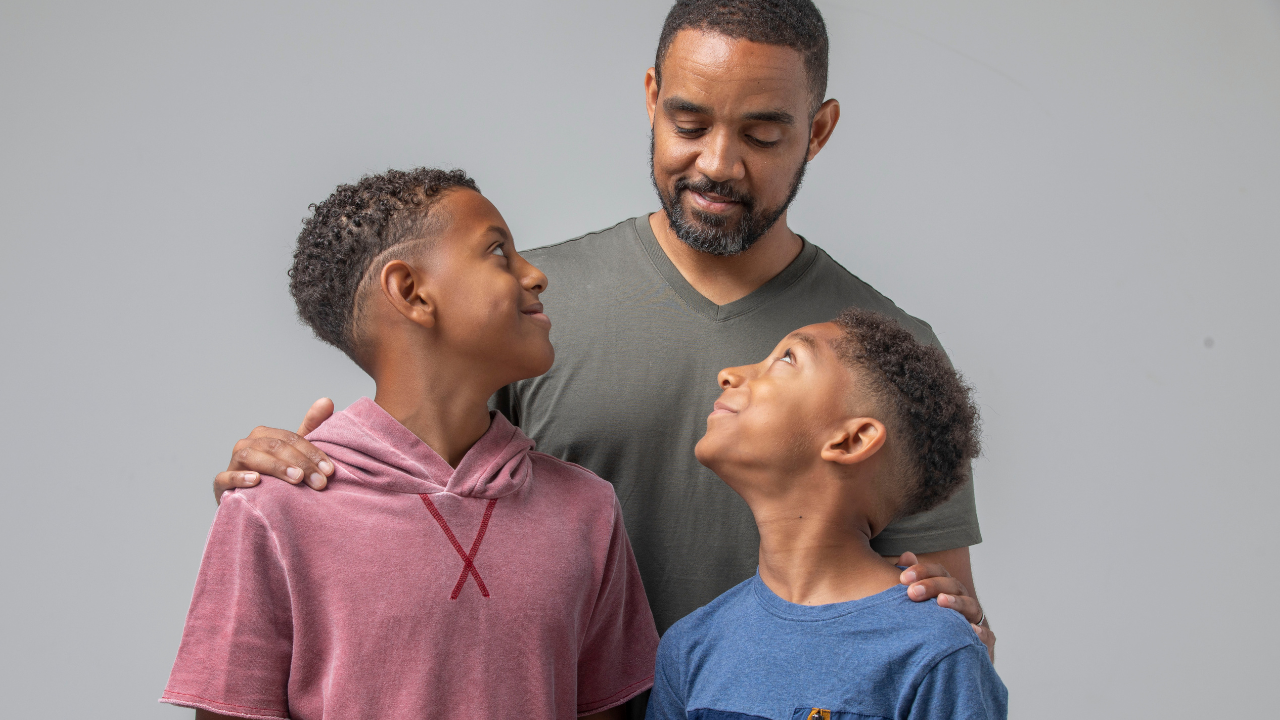
The parenting approach works by offering kids two acceptable choices, both of which lead to the outcome parents want, covering everything from morning routines to bedtime.
A 2026 study in Child Development journal found, “Providing children with structured choices enhances their sense of autonomy, leading to greater cooperation, improved self-regulation, and reduced oppositional behaviour.” The study directly backs the “two options” hack as a form of autonomy-supportive parenting, confirms that giving choices reduces resistance and power struggles and supports the idea that decision-making builds independence.
Best times to use the ‘two options’ parenting hack
Experts suggest the following as the best time to use the ‘two options’ hack –
- Mornings: Mornings are often where routines fall apart fastest. Time pressure, tiredness and a long list of tasks make it easy for tension to creep in before the day has even started. “Mornings are probably the most common flashpoint for parents,” said Smith. “Everyone’s rushing, and children can sense that stress. Offering choices first thing, ‘Do you want cereal or toast?’ ‘shoes on before or after your coat?’, keeps things moving without it feeling like a drill.” Giving children agency in those first few minutes can set a calmer tone for the whole morning.
- Bedtime: Bedtime resistance is another familiar challenge. Children who are tired but reluctant to wind down often push back simply because they feel like sleep is being imposed on them. Swap “it’s time for bed” for “do you want a story before or after you brush your teeth?” or “do you want the big light off or the lamp on?” and the conversation shifts entirely. “Bedtime choices work really well because the child still gets to feel like they had a say,” Smith noted. “They’re not being marched off to bed, they’re choosing how bedtime goes.”
- After School: The after-school window can be tricky. Children are often tired and overstimulated, and the last thing many of them want is more instructions. Rather than “do your homework now,” try “do you want a snack first, or shall we get homework done and then have a snack?” It’s the same outcome, but the child has had a moment of input. “After school is a time when children really need to decompress,” said Smith. “Giving them a small amount of choice in how that looks helps them feel respected, and they’re much more likely to cooperate as a result.”
The two options hack is one of the simplest tools a parent can use and it actually works but like anything, how you use it matters. Keep the choices simple, two options is plenty. David Smith asserted, “Too many choices can overwhelm young children and have the opposite effect to what you’re going for. Both options also need to be ones you’re happy with. If one of them doesn’t actually work for you, don’t offer it.”

Experts say giving children a sense of control over small decisions can reduce resistance and build independence.
A 2026 study in the Journal of Applied Developmental Psychology established, “Offering children a limited set of acceptable choices significantly increases compliance compared to direct commands, while preserving a sense of agency.” It validates the “two choices only” rule, confirms that limited choices work better than too many options and reinforces that children cooperate more when they feel in control.Smith concluded with the advice, “Staying calm when you present the choices is just as important. Children pick up on tone quickly, so if the options are delivered with frustration, it undermines the whole approach. Finally, offer the choice before resistance starts, not after. Once a child has already dug their heels in, options feel less like freedom and more like a negotiation. Get in early, keep it light and let them choose.”
