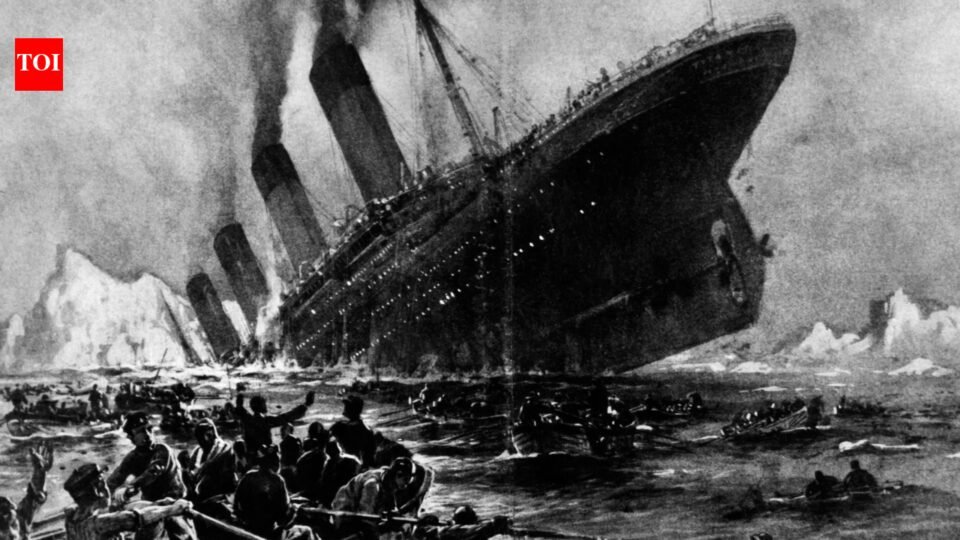
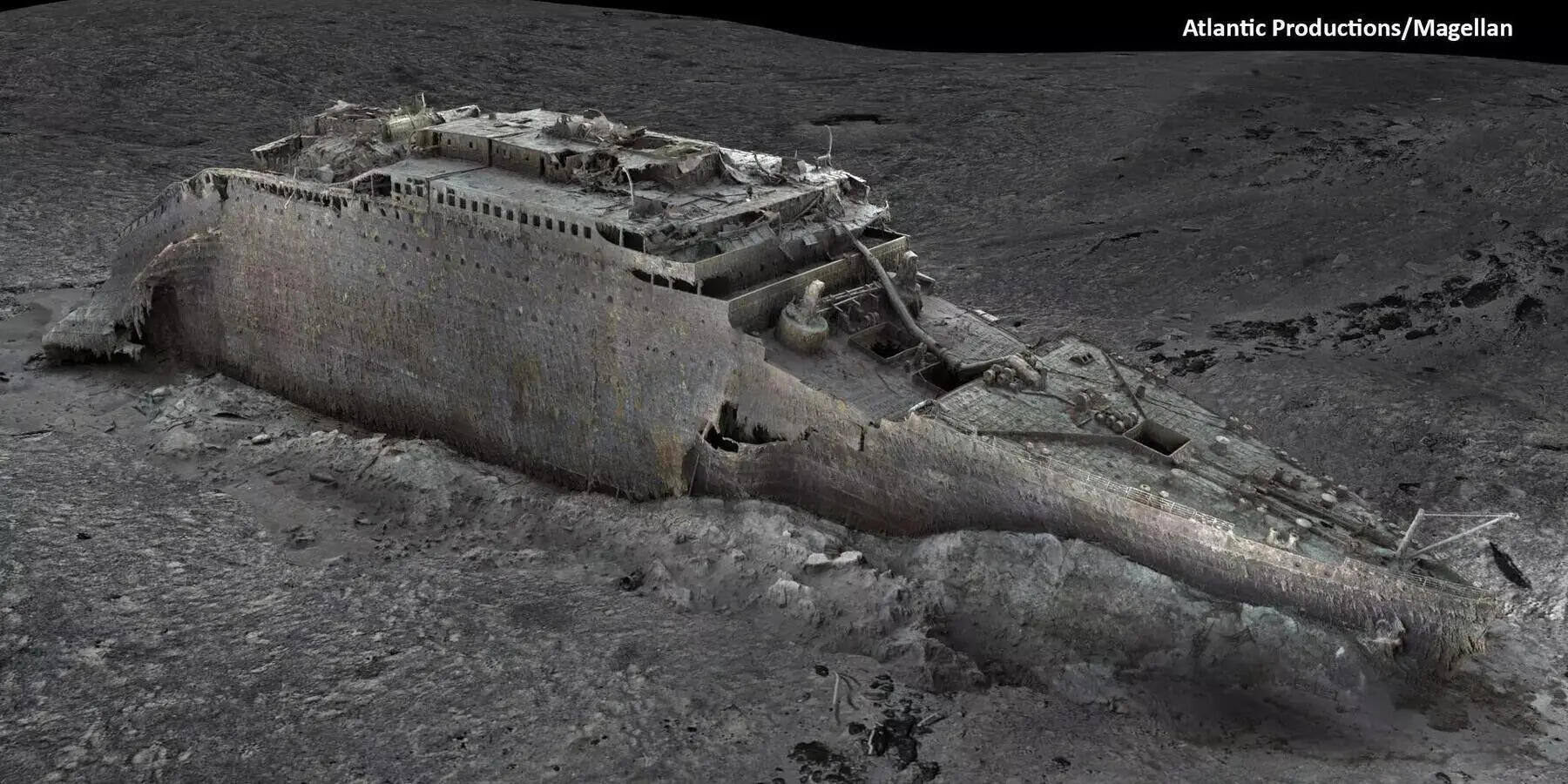
On this exact day, 114 years ago, the North Atlantic became a graveyard for the world’s most well-known maritime disaster. The “unsinkable” RMS Titanic sank deep into the ocean floor, taking 1,517 souls with her. In the final, freezing seconds of their lives, those men, women, and children had no way of knowing that their deaths would become the most expensive life insurance policy the ocean has ever bought. The survivors of this oceanic disaster carried with them testimonies sharp enough to impact the safety of the millions who sailed the ocean after them.
The flaws on board
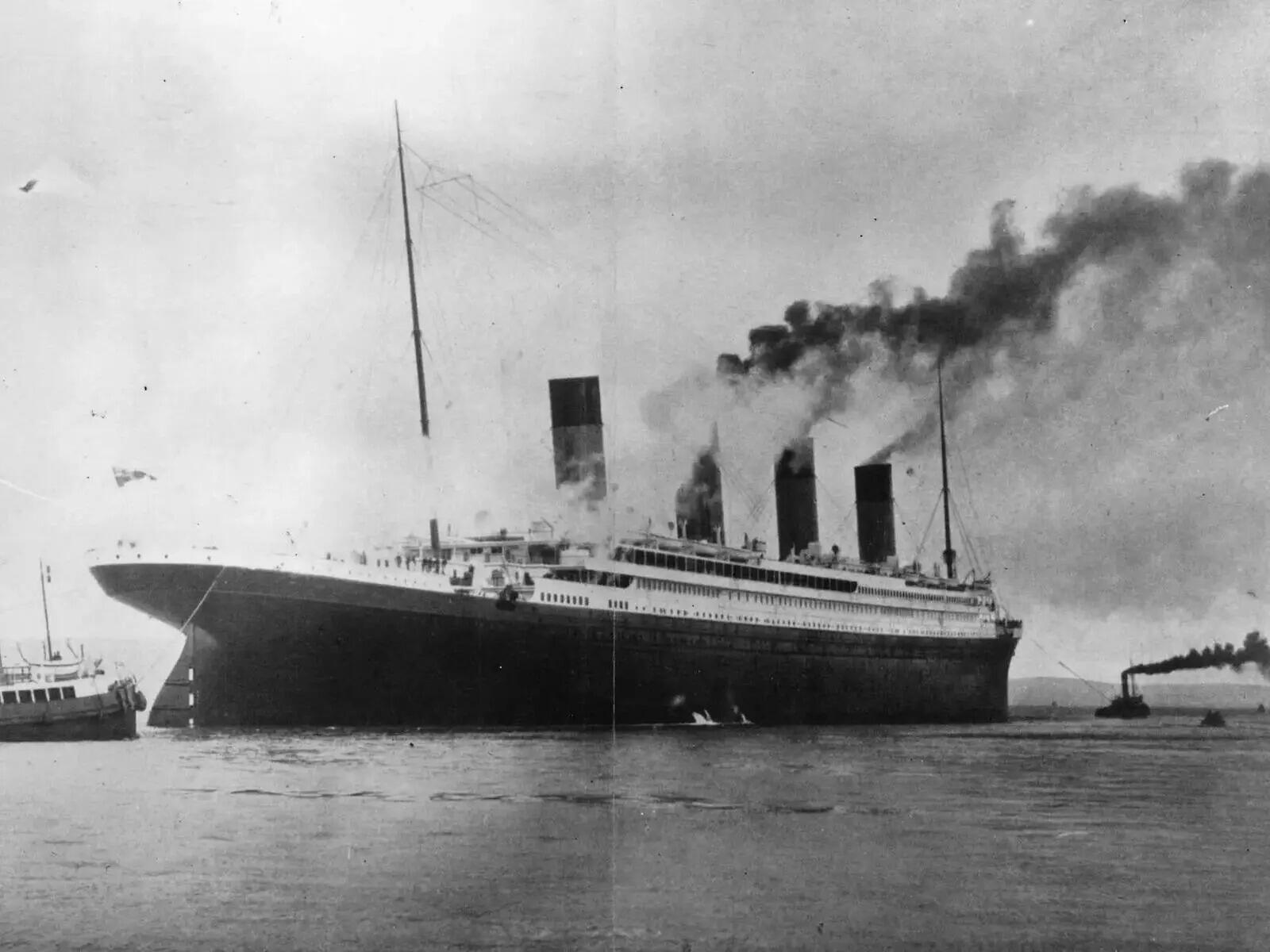
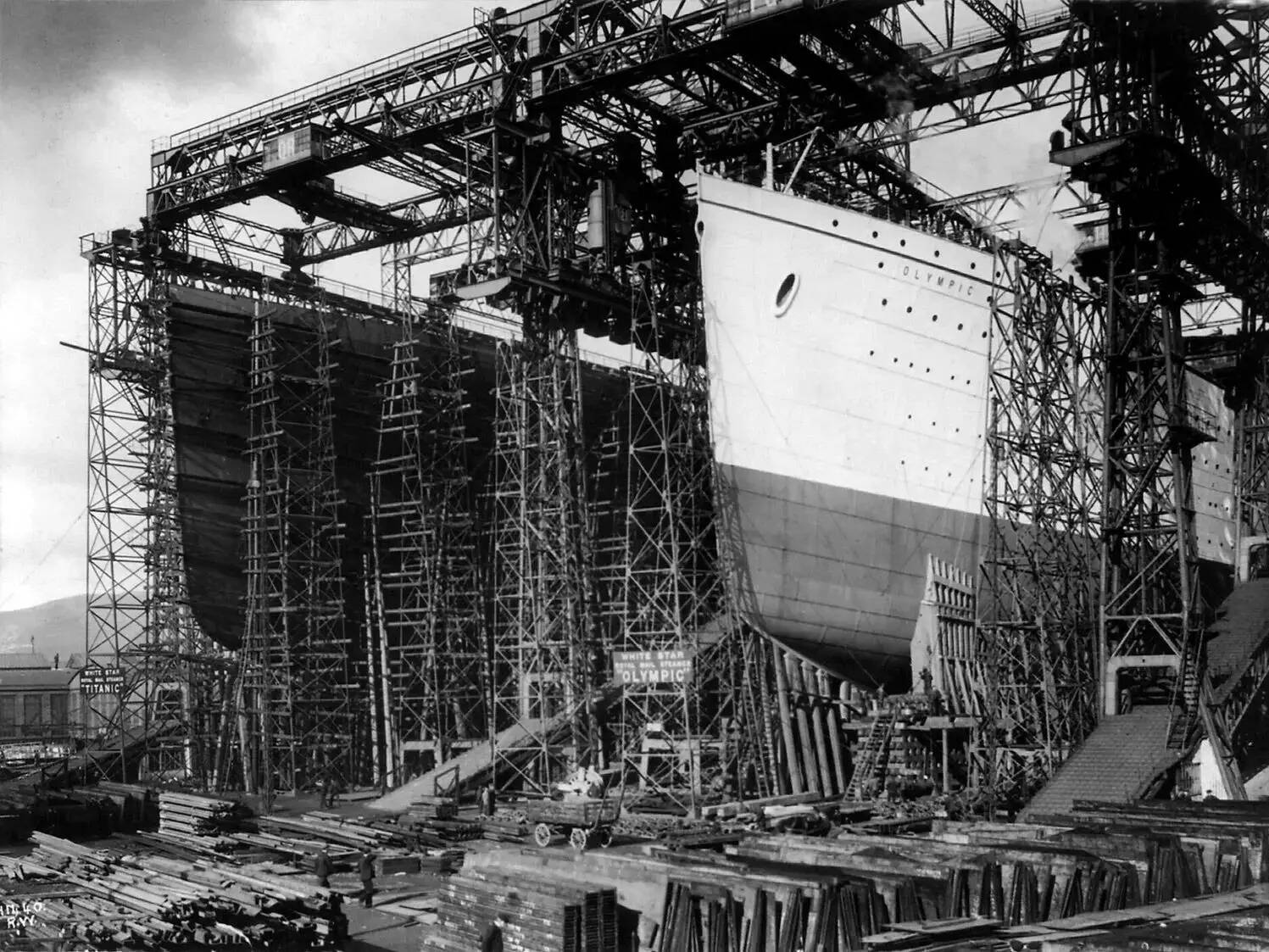
The RMS Titanic was designed by Thomas Andrews and was an engineering and architectural marvel of her time. Yet there were several flaws that, under unfortunate circumstances, gave way to the disaster. One of the most significant design flaws was the use of wrought iron rivets for holding the steel plates together. Their production process left behind a significant amount of slag, or glassy residue, making them susceptible to breaking. Another flaw was utilising iron instead of steel in certain parts of the ship, like the hull. Iron is more susceptible to breaking, especially under colder conditions. Even the watertight bulkheads, designed to prevent flooding, only extended up to D deck. This meant that any flooding beyond that area would compromise the watertightness of the entire ship.
.
Apart from the engineering faults, there were other, more serious issues on board. The 1894 Merchant Shipping Act said the number of lifeboats had to match the ship’s tonnage, not how many people were actually on board. That law was still the rule in 1912. So a ship over 10,000 tons needed sixteen lifeboats. The Titanic was 46,000 tons, and Thomas Andrews wanted forty-six lifeboats. But Joseph Ismay, the chairman of White Star Line, was more worried about the aesthetics of the first-class deck than the lives of his passengers. So they went with the bare minimum: sixteen lifeboats, plus four collapsible Engelhardt ones stored above the officers’ quarters.In 1912, there was no law saying ships had to keep a 24-hour wireless watch. The closest ship to the Titanic that night was the S.S. Californian. Her wireless operator was a guy named Cyril Evans. At 11:30 pm, he went to bed. Ten minutes later, the Titanic hit the iceberg. The Marconi wireless system also had no emergency channel, so critical ice warnings got buried under a backlog of passenger messages. For ships on the ocean, the only warnings about icebergs came through telegraphs or binoculars. But the night of the sinking was pitch black and unusually calm; conditions that made spotting the iceberg in time nearly impossible.
The sinking and investigation
RMS Titanic had received only three of the seven iceberg warnings, and in response, Captain Smith had altered the ship’s course. At 11:39 pm, Frederick Fleet spotted the iceberg, and the crew immediately turned the ship to ‘hard-a-starboard’. Despite all efforts, the Titanic collided on her starboard side, and the rivets popped out, leading to water pouring into the watertight section. At 12:05 am, Captain Smith gave orders for the preparation of lifeboats, and initially, the orders were not taken seriously, and only a small proportion of people got into the initial three lifeboats. The low number of lifeboats and the attitude of passengers significantly reduced the survival rate of those on board. The ship sank steadily, finally snapping in two and leaving thousands of people stranded in the water, eventually succumbing to hypothermia.
Two big investigations followed. The US Senate inquiry, led by Senator William Smith, found that the crew was in a state of “absolute unpreparedness.” No alarm was given. No organised evacuation. The safety of those on board was severely compromised, and this meant that something had to give to ensure safety. The British inquiry, led by Lord Mersey, blamed the sinking on excessive speed in icy waters and said the ship itself wasn’t flawed.The subcommittee’s report recommendations, along with the report from the British Wreck Commissioner’s inquiry, led to many changes in safety practices and maritime laws.
New maritime laws and customs
In hindsight, everything does seem more obvious, but most times it takes a disaster to make the obvious appear obvious. One of the first changes brought out was the Radio Act of 1912, which instructed that ship radios need to be manned 24/7. This would ensure more constant alerts without a lapse in response. It would also ensure an alternate energy source to call for assistance if the ship’s engines gave way. Finally, it required that ships have a radio range of at least 100 miles (161 kilometres). The Radio Act was most likely a response to the lack of a 24-hour watch on the S.S Californian, the ship closest to the Titanic when she went down.According to the RNLI, ships today use radiocommunication and satellite navigation to locate their own position and other ships in the area, and communicate using channel 6 if necessary. The second change was SOLAS or ‘Safety of Life at Sea’. Set up in 1914, the International Convention for Safety of Life at Sea is the most important of all international treaties concerning the safety of merchant ships. Its purpose is to set the minimum safety requirements for ships: construction, equipment and operations. Ships have to be compliant according to Chapter II- I of SOLAS. SOLAS includes requirements for vessels’ structure, machinery, electrical equipment, fire protection, life-saving appliances, radiocommunications, the safety of navigation and carriage of cargo.One of the most important rules to come out of SOLAS in 1914 was that ships had to slow down in ice fields. Because SOLAS was created because of the Titanic, this rule directly responded to the fact that the Titanic hit the iceberg at such a high speed that it made the disaster much worse.
.
During the sinking, word of mouth was used to warn passengers and crew. Each message got more urgent and more fearful. This caused widespread panic across the ship, along with a lot of false information. Many basic safety protocols were ignored because of it.In response, Chapter Three, Regulation Six of SOLAS, introduced on July 1st, 1998, made the Public Address (PA) system a requirement for passenger ships. The rule stated that it “shall be a loudspeaker installation enabling the broadcasting of messages.” SOLAS enforced clear communication rules and made sure that any ship carrying goods or passengers followed important safety procedures that protect lives at sea.Also in 1914, the International Ice Patrol was set up to monitor icebergs in the Atlantic and Arctic Oceans. The sinking of the Titanic was the main reason for creating it. The disaster had gripped the world with a sober awareness of how dangerous icebergs really were. On November 12th, 1913, the first International Conference for the Safety of Life at Sea was held in London. Ice patrolling was discussed thoroughly. The convention signed on January 30th, 1914, allowed for an international ice observation and patrol service. Now, the International Ice Patrol is based in Maryland. They track icebergs and sea ice, following their drift. In future constructions, the Titanic’s structural flaws were overcome, ensuring that if a similar situation were to arise, the ship could withstand potential damage and stay afloat for longer.The lack of lifeboats was one of the main concerns. On the night of the sinking, the lifeboats weren’t filled. Only 37% of passengers survived, but if the lifeboats had been launched fully, 53% could have lived.Now, according to SOLAS, ships must carry enough lifeboats for 125% of everyone on board. Passengers are assigned to specific lifeboats, and drills are required regularly to avoid confusion during an emergency.On the day of the collision, Captain Smith cancelled the lifeboat drill. That caused panic and chaos when it came time to abandon the ship. Under SOLAS Chapter Two, Regulation Twenty-Four, lifeboat drills are mandatory now, with no cancellations for any reason.Another rule from the inquiries said that flares should only be fired by ships as distress signals. This came after officers on the Californian saw flares from a ship in the distance but assumed they were company signals. Back then, it was normal for ships to use rockets and Roman candles just to identify themselves to other liners. But after the Radio Act of 1912, flares were to be seen as distress signals only. So here we are, 114 years later. The Titanic sits at the bottom of the Atlantic, but its ghost is everywhere. Every time a cruise ship runs a lifeboat drill. Every time a captain slows down for ice. Every time a radio crackles to life on a 24-hour watch. That’s the Titanic. Those 1,517 people didn’t know it as they froze in the water, but their deaths brought the rules that keep millions safe today.
